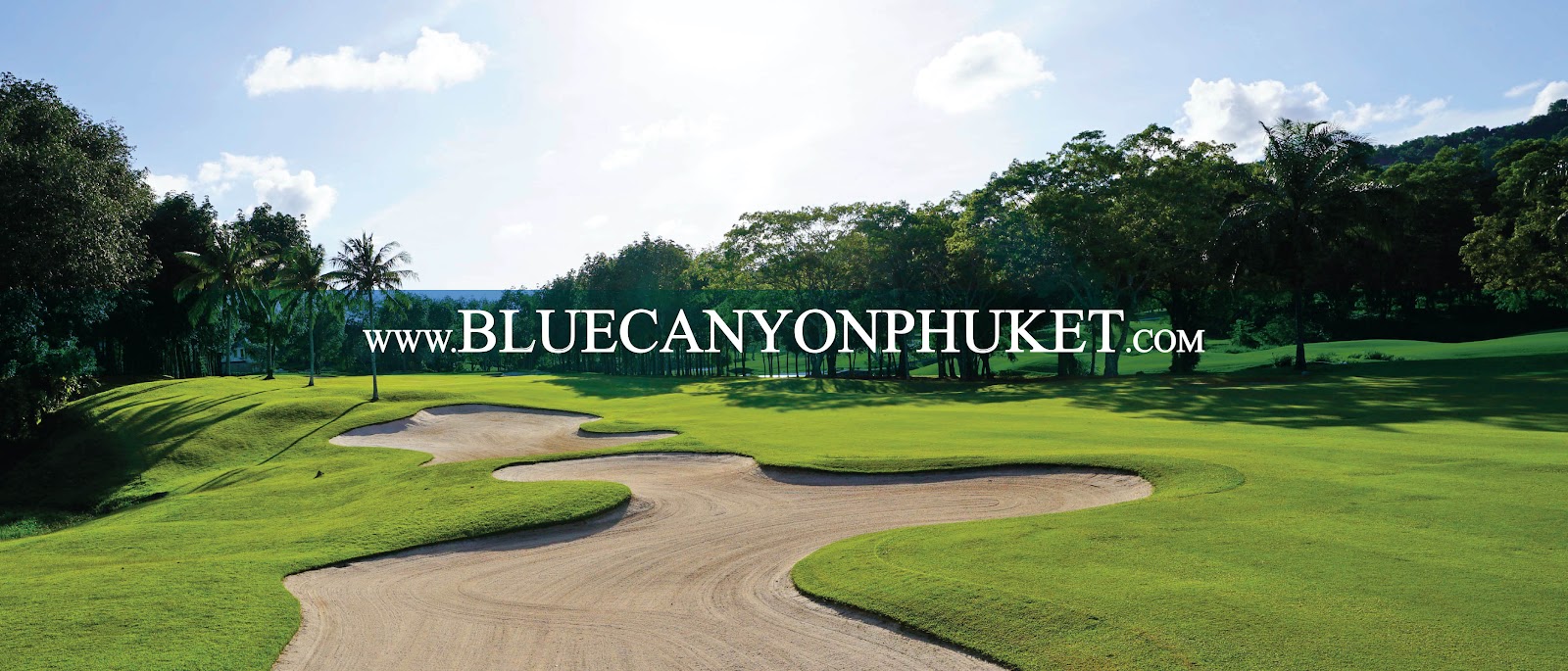
Blue Canyon Canyon Course
The most famous course in Thailand, and the stage for one of the great wins of Tiger Woods's early career. Yoshikazu Kato carved the Canyon Course from an old tin mine and rubber plantation north of Phuket in 1991, threading fairways between deep ravines and lakes. The Johnnie Walker Classic came twice, and in 1998 Woods rallied from eight shots back to win it here.
Photo: Blue Canyon Country Club via Google.
The verdict
Blue Canyon is the course that announced Thailand as a serious golf destination. The Japanese architect Yoshikazu Kato began work on the site in the late 1980s, and the Canyon Course opened in 1991 on land that had been a tin mine and rubber plantation, its old workings now reborn as the deep ravines and lakes that give the course its name and its teeth. The conditioning, the routing and the sheer scale of the place were a step above anything the country had seen.
The Canyon Course quickly drew the world's best. It hosted the Johnnie Walker Classic in 1994 and 1998, the Honda Invitational in 1996, and an Asian Tour roll of honor since. The 1998 Classic is the round people still talk about, when Tiger Woods opened with three rounds that left him eight shots adrift of Ernie Els, then closed with a seven under 65 and won at the second playoff hole. It is a par 72 of around 7,244 yards, a holiday course with a tournament pedigree, and the standout round of any Phuket golf trip.
The Canyon Course at a glance
- Opened
- 1991
- Designer
- Yoshikazu Kato
- Type
- Tropical parkland
- Par
- 72
- Yardage
- About 7,244 yds
- Green fee
- From around 4,000 THB
Designer, opening year, par and length verified June 2026 from the club and leading databases. The Canyon Course is a Yoshikazu Kato design of around 7,244 yards, par 72, opened in 1991 and host of the Johnnie Walker Classic in 1994 and 1998. Green fees are indicative, from around 4,000 to 6,000 Thai baht, roughly 110 to 170 US dollars, with caddie and cart usually additional. Fees change by season and year, so always confirm directly before booking.
The holes worth the trip
Kato used the old mine workings to dramatic effect, so water and ravine are never far away. The closing stretch is where tournaments have been won and lost, above all the par 3 seventeenth, played all carry across a lake to a green set against the water, the hole that decided more than one Johnnie Walker Classic. The long par 4 and par 5 holes coming home keep the lakes in play off the tee and on the approach, demanding commitment when nerves are tightest.
Away from the headline holes, the Canyon Course is a fair but exacting test, with generous landing areas rewarded and reckless lines punished by sand, water or jungle. The greens are large and true, and in the humid heat the ball does not run far, so club selection and a steady tempo matter more than raw power.
Carts and caddies are standard in the Thai style and both are worth taking, the caddie for local knowledge of the carries and the cart for the heat. Play early to beat the afternoon humidity, pick a tee that keeps the forced carries comfortable, and you will understand why the Canyon Course has drawn the best players in the world.
How to get on
| What to know | Detail |
|---|---|
| Access | A members and resort club that welcomes visiting golfers; book tee times online, through the on site hotel or a trip planner |
| Green fee | Around 4,000 to 6,000 Thai baht, roughly 110 to 170 US dollars, by season (indicative, 2026); caddie and cart additional |
| Booking | Reserve ahead in the November to April high season; the green low season from May brings lower rates |
| On the day | Caddie compulsory, carts available; collared shirts and soft spikes. Bring sun protection and plenty of water |
| Getting there | Just north of Phuket, around 10 to 15 minutes from Phuket international airport |
| Best months | November to April for the driest weather; play in the morning year round to beat the heat |
Access and indicative green fees verified June 2026; they change without notice, so always confirm directly before booking with the club or your trip planner. Check tee time availability.
Where to stay nearby
Blue Canyon has its own on site lodging beside the courses, which is the most convenient base if golf is the priority and you want short transfers and early tee times. It sits close to the airport and to the quieter beaches of Phuket's northwest coast.
Most visitors, though, fold the golf into a wider Phuket holiday and stay on the beaches further south around Bang Tao, Surin or Patong, anywhere from twenty minutes to an hour away depending on the resort. That lets non golfers enjoy the sand and the spas while the group plays, with Phuket international airport the gateway for the whole island.
Looking for a base? See our recommended hotels and resorts at Blue Canyon and around Phuket.
Build a Thailand golf trip
We build a trip around a round on the Canyon Course, add the best of Phuket and the wider Thai golf scene and sort caddies, lodging and transfers. Tell us roughly when and who is travelling and one concierge costs it to the head, with no obligation.
Blue Canyon Canyon Course questions
Who designed the Blue Canyon Canyon Course and when did it open?
The Canyon Course at Blue Canyon Country Club was designed by the Japanese architect Yoshikazu Kato and opened in 1991, laid out across a former tin mine and rubber plantation north of Phuket.
What is the par and length of the Canyon Course?
The Canyon Course is a par 72 that plays to around 7,244 yards from the championship tees, with water, deep ravines and mature trees in play across a rolling tropical site.
Did Tiger Woods play the Blue Canyon Canyon Course?
Yes. The Canyon Course hosted the Johnnie Walker Classic in 1994 and 1998. In 1998 Tiger Woods rallied from eight shots back in the final round and beat Ernie Els in a playoff, one of the most famous wins early in his career.
How much does it cost to play the Blue Canyon Canyon Course in 2026?
Indicative 2026 green fees at the Canyon Course run from around 4,000 to 6,000 Thai baht, roughly 110 to 170 US dollars, with caddie and cart usually additional and lower rates in the green low season. Fees change by season and year, so always confirm directly before booking.
Related
The Tee Sheet
Tee time windows, course access changes and the trips worth taking. Every other week.
Researched and written by the GolfForKings editorial desk. Designer, opening year, par and yardage verified June 2026; indicative green fees verified June 2026. Last reviewed June 2026.