Green Fees in Thailand: What It Costs to Play in 2026
Thailand is the most complete golf destination in Asia, with championship courses by Jack Nicklaus, Nick Faldo, Gary Player and Phil Ryan spread across five distinct regions, and green fees that still undercut Europe and the United States. The headline fee is only part of the bill, though: a caddie is part of the round almost everywhere and a cart is often required. Here is what golf actually costs in Thailand in 2026, region by region, with the indicative rates and the extras to budget for.
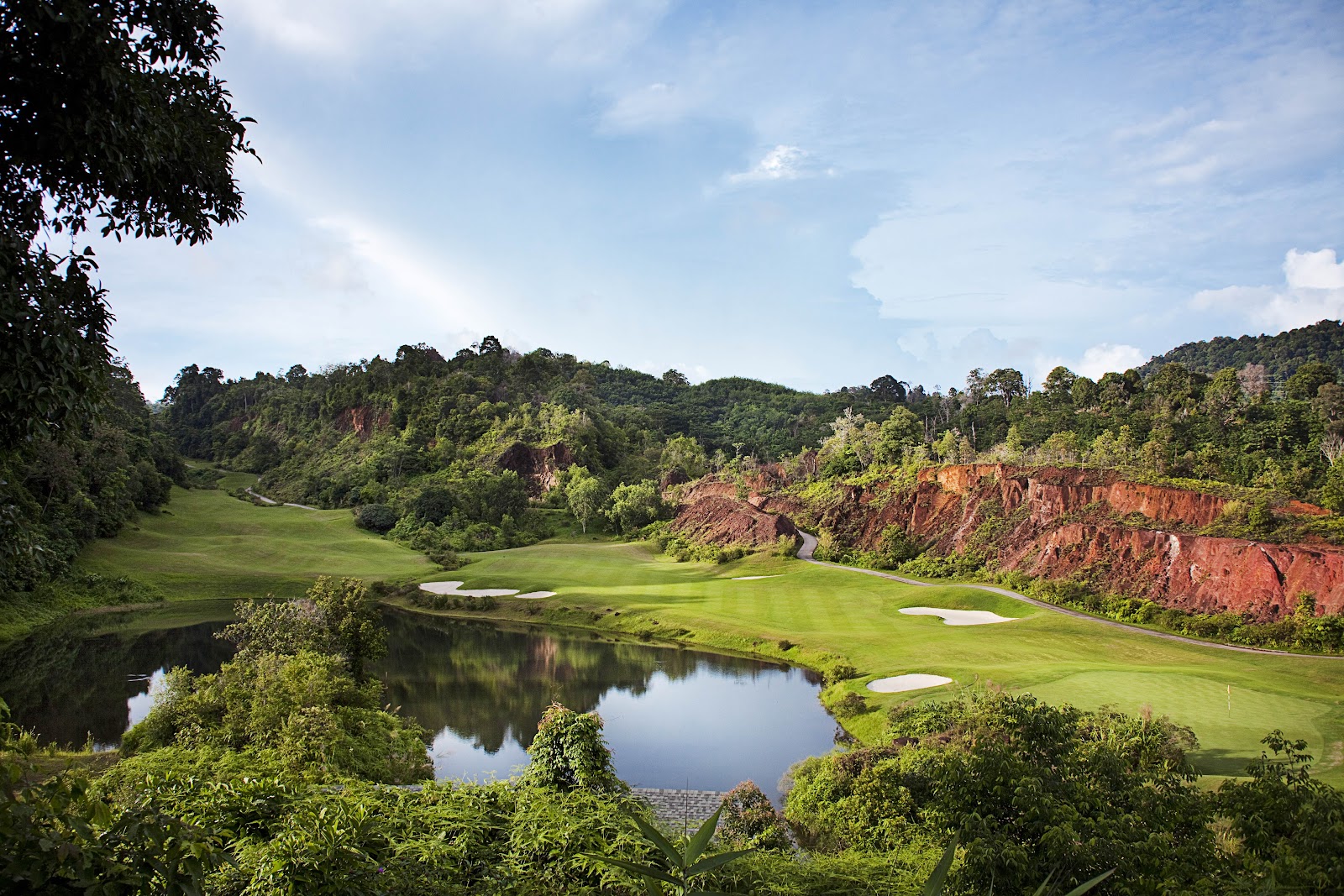
Photograph: Red Mountain Golf Club, Phuket, via Google
The short answer
Plan on roughly 1,500 to 5,500 baht for the green fee in 2026, around 45 to 160 US dollars, depending on the region, the course and the day. Pattaya and Chiang Mai hold the value end, with good courses from about 1,500 to 3,500 baht. Bangkok spans the widest range, from budget tracks near 2,000 baht to marquee layouts around 5,000. Phuket and Hua Hin sit at the top for the signature courses, with Red Mountain in Phuket and Banyan and Black Mountain in Hua Hin among the dearest at roughly 3,500 to 5,500 baht.
The catch is the same one you meet across Southeast Asia: the green fee is not the whole cost. A caddie is effectively compulsory at almost every Thai course, with a caddie fee plus a customary tip, and a shared cart is often required, particularly at the hillier resorts. Together these can add a thousand baht or more to a round. The table below gives the indicative green fee picture by region; the section beneath explains the extras and where to save.
Thailand green fees by region, 2026
| Region | Indicative 2026 green fee | Notes |
|---|---|---|
| Bangkok | Around 2,000 to 5,000 baht ($60 to $150) | The widest range; budget tracks to marquee Nicklaus and Norman layouts within an hour of the city |
| Phuket | Around 3,000 to 5,500 baht ($90 to $160) | Red Mountain at the top near $150 to $160; Loch Palm and Blue Canyon mid range; Andaman coast |
| Hua Hin | Around 2,400 to 4,200 baht ($75 to $125) | Banyan and Black Mountain lead; no weekend surcharge; the drier gulf coast |
| Pattaya | Around 1,300 to 4,000 baht ($40 to $120) | Best value cluster; weekend rates run roughly 25 to 30 percent higher than weekdays |
| Chiang Mai | Around 1,500 to 3,500 baht ($45 to $100) | Cool season golf in the hills; Alpine and Highlands among the picks |
Green fees verified indicatively in June 2026 from course and operator listings; they vary by season, day of week and time of day and change without notice, so always confirm current rates directly with the course or your trip planner before booking. Check tee time availability.
How green fees work in Thailand
Three things shape the price. The first is the region. Phuket and Hua Hin carry the top rates for their signature resort courses, while Pattaya and Chiang Mai are reliably cheaper and Bangkok spans both ends depending on the club. The second is the season. The cool, dry months from November to February are peak across the country and command the highest fees; the green or low season from roughly May to October brings the rates down, with the trade off of heat and afternoon rain. The third is the day, with weekend and public holiday surcharges common in Bangkok and Pattaya, though Hua Hin notably charges the same all week.
Then come the extras that Thailand adds to every round. A caddie is part of the game at almost every course, a long standing feature of Thai golf, and you pay a caddie fee of roughly 300 to 500 baht plus a customary tip of a similar amount. A shared cart is frequently required, particularly at the hillier layouts such as Red Mountain and Black Mountain, adding 600 to 800 baht more. Counted up, a 3,500 baht green fee can become a round nearer 5,000. The upside is real service and excellent conditioning at the leading courses.
Where to spend, and where to save
If your budget stretches to one or two premium rounds, spend them on the signature courses: Red Mountain or Blue Canyon in Phuket, Black Mountain or Banyan in Hua Hin, or a Nicklaus layout outside Bangkok. These are the courses worth crossing the world for and the natural anchors of a trip. To keep the average down, weight the rest of the week toward the value regions, base around one hub to cut transfers, and book multi course packages, which bundle green fees, caddies and transport at a better rate than paying at the gate. A week built around two marquee rounds and three value rounds keeps the cost sensible while still playing the best of the country.
Timing helps too. Shoulder season in October or May trims the green fee without losing too much weather, weekday tee times beat the weekend in Bangkok and Pattaya, and early morning rounds dodge both the heat and the busiest sheets. Whatever the plan, budget the caddie and the cart into your numbers from the start so the total never surprises you at the first tee.
Plan your golf trip
We build the tee times, caddies, carts and transfers into one clear package so the extras never surprise you, then base it around Phuket, Hua Hin, Bangkok or a multi region tour. Tell us roughly when and who is travelling, and one concierge costs it to the head, with no obligation.
Thailand green fee questions
How much are green fees in Thailand in 2026?
Indicative 2026 green fees run from around 1,500 baht at value courses in Pattaya and Chiang Mai, roughly 45 US dollars, up to about 5,500 baht, roughly 160 dollars, at the marquee courses in Phuket such as Red Mountain and the top Hua Hin layouts. Bangkok spans the widest range. Remember that a caddie is effectively compulsory and a cart is often required, so budget extra. Always confirm current fees directly before booking.
Do you have to pay for a caddie in Thailand?
Yes. A caddie is part of the round at essentially every golf course in Thailand, a long standing feature of the local game, and the caddie fee plus a customary tip is added to your green fee. Budget roughly 300 to 500 baht for the caddie fee and a similar amount again as a tip. A shared cart is frequently required as well, especially at the hillier resorts, adding more to the round.
Where is golf cheapest in Thailand?
Pattaya and Chiang Mai are the best value regions, with good courses from around 1,300 to 3,500 baht, and Pattaya in particular has a dense cluster of affordable layouts. Bangkok has budget options too, though it also has the country's priciest. Phuket and Hua Hin carry the top fees for their signature resort courses. Weekdays and the green season from May to October are cheaper everywhere except Hua Hin, which charges the same all week. Always confirm directly before booking.
When is the best time to play golf in Thailand?
The cool, dry season from November to February is the peak for weather and the busiest, dearest time on the tee sheet. The green season from roughly May to October brings lower green fees, with the trade off of heat and short afternoon downpours, and many courses still play well in the mornings. Hua Hin on the gulf is the driest region; Phuket on the Andaman coast is wettest from May to October. For the best balance of price and weather, target the shoulder months of October and May.
Related
The Tee Sheet
Course openings, ranking shake ups and the booking windows that matter. Every other week.
Researched and written by the GolfForKings editorial desk. Course facts and indicative fees verified June 2026. Last reviewed June 2026.