How to Plan a Golf Trip to Thailand
Thailand is the value capital of premium golf: championship courses in immaculate condition, a caddie on every round, warm winters and a price that makes a week of daily golf feel almost free next to Europe or the States. Planning it well is about choosing a region, timing the dry season, and deciding how much beach and city you want around the golf. Here is how to put it together, with the regions, the season, the fees and a sample week.
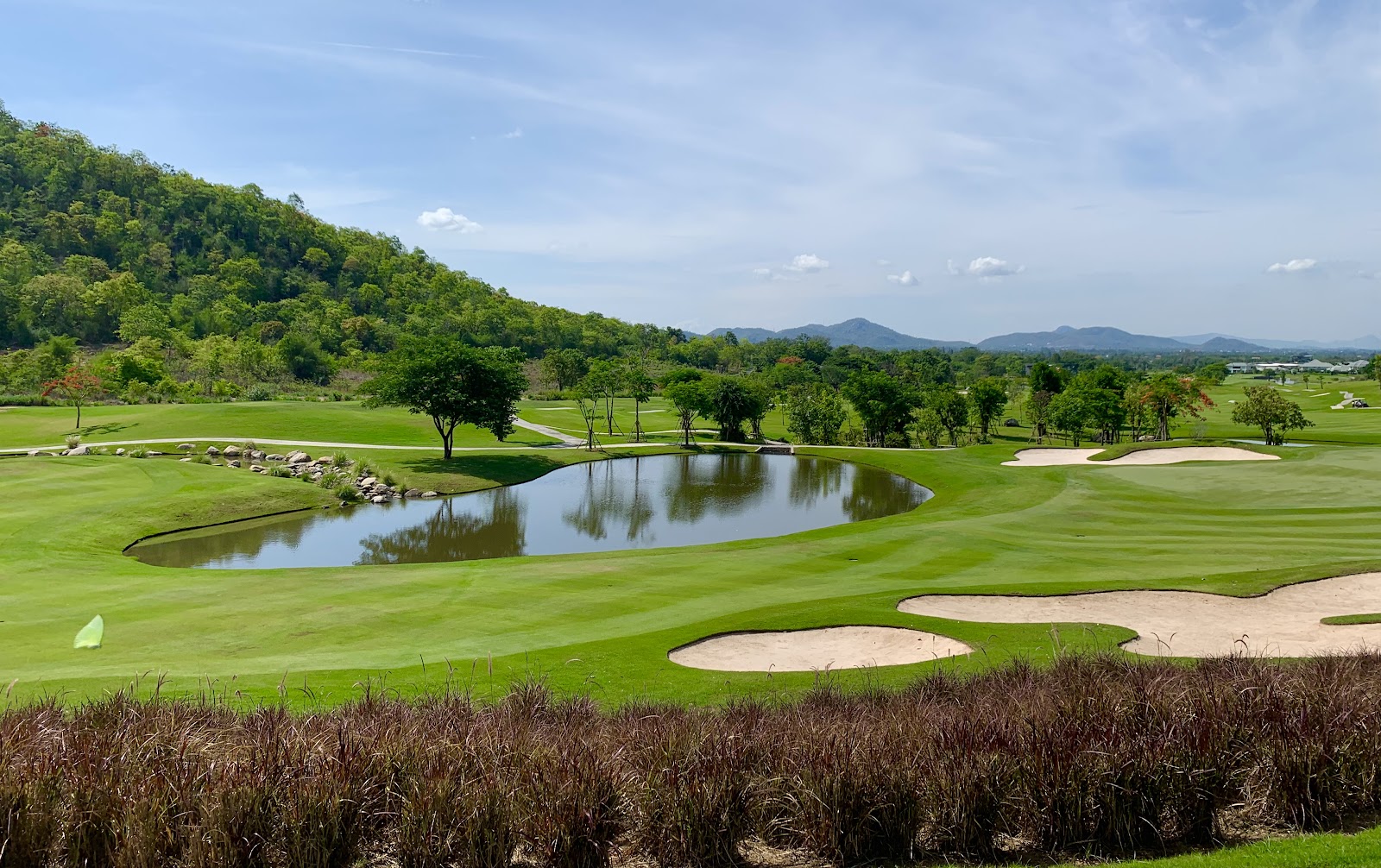
Photo: Black Mountain Golf Club via Google, contributor Charles Arnestad.
Start by choosing a region
Thailand's golf splits into four clear bases, and the right one depends on whether you want a pure golf week, a city and golf mix, or a beach holiday with rounds folded in. Pick one region as your base, play it properly, and add a few days elsewhere only if the trip is long. Trying to crisscross the country burns days in transit that are better spent on the course.
Bangkok
The densest concentration of championship golf in the country, with two dozen courses ringing the city, many within an hour of the centre and several of genuine tournament standard. It is the classic city and golf trip: tee off in the morning, then dinner, rooftop bars and markets at night. The downside is traffic, so a driver and smart course choices matter, but for a first trip that pairs world class golf with a great city, Bangkok is hard to beat.
Hua Hin
The dedicated golf resort town, a three hour drive or a short hop south of Bangkok. Hua Hin is relaxed, walkable and built for a golf week, anchored by Black Mountain, regularly rated the best course in the country, along with Banyan, Sea Pines and the historic Royal Hua Hin beside the railway station. The most golf focused, lowest hassle base in Thailand and our usual recommendation for a first dedicated golf trip.
Phuket
For those who want a beach and golf holiday, Phuket combines resort courses such as Blue Canyon, Red Mountain and Laguna with white sand and a full island holiday for the family. Greener and more humid than the rest, it plays best from December to April, and it is the easiest place to keep non golfers happy while you play.
Chiang Mai
The northern alternative, cooler and more scenic, with courses laid through hills and against a mountain backdrop. The season is shorter, at its best from November to February when the mornings are crisp, and the pace is gentler, a fine choice for golfers who want a quieter, cultural trip alongside the golf.
Indicative costs to budget
| Region | Indicative 2026 green fee |
|---|---|
| Bangkok championship courses | Around 2,000 to 5,000 baht per round |
| Hua Hin (Royal Hua Hin to Black Mountain) | Around 1,600 to 4,200 baht per round |
| Phuket resort courses | Around 2,500 to 6,000 baht per round |
| Chiang Mai | Around 1,500 to 3,500 baht per round |
| Caddie fee (compulsory) | Around 300 to 500 baht, plus a customary tip of 400 to 500 baht |
Indicative 2026 figures for guidance only. Green fees vary widely by season, day and course, and twilight and package rates are often far lower; a caddie is compulsory almost everywhere. Always confirm directly before booking. Check Thailand tee time availability.
Timing, booking and the logistics
Go in the cool, dry season. November to March is the prime window across most of the country, with comfortable mornings and little rain, while Phuket and the south stretch to April and Chiang Mai peaks from November to February. The green season from May to October is cheaper and quieter, with golf still very playable if you tee off early and accept the chance of an afternoon storm. Whenever you go, book early morning tee times to dodge the midday heat.
Booking is easy and rewards a little planning. The marquee courses such as Black Mountain fill at weekends and over the high season, so fix those first, then build the week around them. Stay and play packages that fold hotel, daily golf, caddies and transfers into one price are common and usually undercut booking each piece yourself, which is where a planner earns its keep. Buggies are standard and a caddie comes with every round.
For getting around, a private driver or transfers are the comfortable way to handle Bangkok's traffic and the runs out to the courses, and most resort towns are compact enough to keep transfers short. Bring light, breathable clothing, sun protection and plenty of water, tip the caddies well, and remember that a round at this price and condition is one of the best value experiences in world golf.
A sample week around Bangkok and Hua Hin
If it is your first trip, this is a clean, low stress shape. Spend the first few nights in Bangkok, playing two of the city's championship courses with a driver to handle the traffic, and enjoying the city in the evenings. Then transfer south to Hua Hin for the back half of the week, basing in town and playing Black Mountain as the centrepiece, with Banyan and Sea Pines around it and a relaxed round at Royal Hua Hin to finish. It is six or seven rounds in a week, every one in fine condition, with a great city at one end and a proper golf resort at the other.
That is one shape among many, and the right order depends on your tee times, your group and how much beach or city you want. The value of a planner here is real: securing the Black Mountain slots, arranging the drivers and stay and play package, and matching the hotels to the route. Tell us the dates and the group and we will build it.
Plan your Thailand golf trip
We secure the marquee tee times, arrange the stay and play package, drivers and caddies, and sequence the week so the golf, the city and the beach all fit. Tell us roughly when and who is travelling, and one concierge costs it to the head, with no obligation.
Thailand golf trip questions
How much does a golf trip to Thailand cost?
Thailand is one of the best value premium golf destinations in the world. Indicative 2026 green fees run from around 1,500 baht at modest courses to roughly 4,000 to 6,000 baht at the marquee names such as Black Mountain in Hua Hin or the leading Phuket resorts, almost always including a buggy and with a caddie compulsory at around 300 to 500 baht plus a tip of 400 to 500 baht. A week of daily golf with a comfortable hotel and transfers is achievable at a fraction of a European or American trip. Always confirm current fees directly before booking.
When is the best time for a golf trip to Thailand?
The prime season is the cool, dry months of November to March, when mornings are pleasant and rain is rare across most of the country. Phuket and the south play best from December to April, while Chiang Mai in the north is at its finest from November to February when the mornings are crisp. The green season from May to October brings afternoon storms and lower prices, with early tee times the way to beat the heat and the rain.
Do you need a caddie to play golf in Thailand?
Yes. A caddie is compulsory at virtually every course in Thailand, and is one of the pleasures of golf there. The caddie fee is modest, indicatively around 300 to 500 baht, with a customary tip of 400 to 500 baht on top, and a good caddie reads the greens, finds your line and carries or drives for you all round. It is normal to play with a caddie even when riding a buggy.
Where should you base a golf trip to Thailand?
The two easiest first trips are Bangkok and Hua Hin. Bangkok has a dense ring of championship courses within an hour or so of the city and pairs golf with one of the world's great cities. Hua Hin, a three hour drive south, is the dedicated golf resort town, led by Black Mountain, and is relaxed, walkable and built for a golf week. Phuket suits those wanting a beach and golf holiday, and Chiang Mai a cooler, scenic northern trip.
Related
The Tee Sheet
Planning guides, course access changes and the trips worth taking. Every other week.
Researched and written by the GolfForKings editorial desk. Regions, indicative fees and season verified June 2026. Last reviewed June 2026.