Tokyo Golf Club
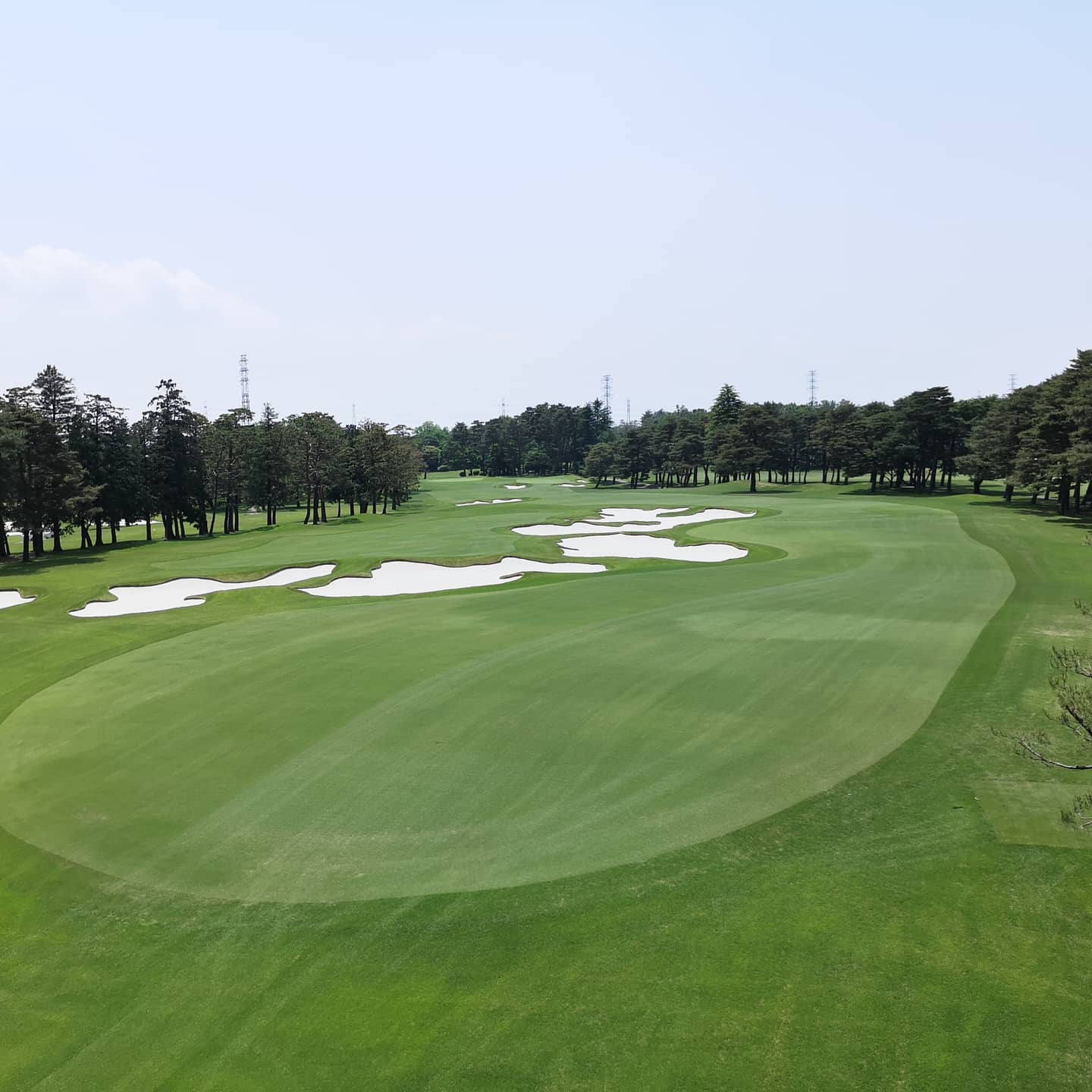
Founded in 1914, Tokyo Golf Club is the cradle of the game in Japan, and its present course at Sayama, built in 1940 on a C.H. Alison heritage layout, remains one of the country's most revered. A private par 72 of about 7,215 yards, it keeps the classic Japanese tradition of two separate greens on every hole.
Photo: Tokyo Golf Club via Google.
The verdict
Tokyo Golf Club is the oldest members club in Japan, founded in 1914 and moved twice before settling at Sayama in Saitama, northwest of the capital. The current course opened in 1940, built by Kohmyo Ohtani on the design principles the English architect C.H. Alison had laid down for the club's earlier Asaka layout in the 1930s, and Alison's influence runs through Japanese golf to this day.
It is a refined, strategic parkland of about 7,215 yards, defined by the deep, steep Alison style bunkering that Japanese golfers still call Arison bunkers in his honour, and by the classic two green system that lets the club alternate immaculate surfaces through the seasons. A Gil Hanse master plan from 2009 has guided sensitive restoration work, including the green complexes, and the result is a private course of genuine historical weight that sits high on any Japanese golf list.
Tokyo Golf Club at a glance
- Opened
- 1940 at Sayama
- Designer
- C.H. Alison heritage, Ohtani build
- Type
- Classic parkland
- Par
- 72
- Yardage
- About 7,215 yds
- Green fee
- Private members
History, designer, par and yardage verified June 2026 from Tokyo Golf Club and leading course databases. The club was founded in 1914 and its current Sayama course opened in 1940, built by Kohmyo Ohtani on C.H. Alison's design for the earlier Asaka course, a par 72 of about 7,215 yards with two greens on every hole. A Gil Hanse master plan from 2009 has guided restoration, including the green complexes. Tokyo Golf Club is a private members club with very limited guest access, so always confirm any arrangement directly well in advance.
The holes worth the trip
Tokyo Golf Club is a study in classical strategy, where width off the tee is balanced by the placement of Alison's deep, dramatic bunkers, which dictate the line and reward the player who takes on the bolder side. The ground is gently rolling parkland, and the test is one of angles and position rather than sheer power, even at more than 7,000 yards.
The signature is the two green system, a Japanese tradition the club has preserved, with a separate korai and bentgrass green on most holes so play can move to the surface best suited to the season. It gives every hole two characters and is part of what makes a round here feel distinct from Western golf, the approach changing entirely depending on which green is in play.
Restoration under Gil Hanse's master plan has sharpened the bunkering and green surrounds while keeping the heritage intact, so the course plays as a living link to the Alison era. For the traveller fortunate enough to gain access, Tokyo Golf Club offers a rare and historic round at the very root of Japanese golf.
How to get on
| What to know | Detail |
|---|---|
| Access | Private members club with very limited guest access, generally only as the guest of a member or by special arrangement |
| Green fee | No published public fee; any guest rate is arranged through the club (indicative, 2026), confirm directly before any visit |
| Booking | Access must be arranged well in advance through a member or an established Japan golf specialist; weekdays are most realistic |
| On the day | Caddies are standard in the Japanese tradition; jacket and proper golf attire expected, etiquette strictly observed |
| Getting there | Sayama City in Saitama, about an hour to ninety minutes northwest of central Tokyo |
| Best months | April to May and October to November for mild, dry conditions and the best turf |
Access arrangements verified June 2026; Tokyo Golf Club is private with limited guest access and policies change, so always confirm directly through a member or a specialist well in advance of any planned visit.
Where to stay nearby
Most overseas golfers base themselves in central Tokyo, an hour or so away, and treat the club as a day trip into Saitama. The capital offers some of the finest hotels and dining in the world and is a natural hub for a golf and city trip around the great courses of the Kanto region.
For a course focused stay, the area northwest of Tokyo around Sayama and the wider Saitama prefecture holds several of Japan's classic clubs, including nearby Kasumigaseki, host of the Olympic golf. It is a rewarding region to build a heritage golf itinerary around, with Tokyo Golf Club as a historic centrepiece for those who can arrange access.
Looking for a base? See our recommended hotels and resorts near Tokyo Golf Club.
Build a Tokyo golf trip
We work with Japan specialists to arrange access where it is possible, pair the great Kanto clubs into an itinerary and book the lodging in Tokyo around them. Tell us roughly when and who is travelling and one concierge costs it to the head, with no obligation.
Tokyo Golf Club questions
Who designed Tokyo Golf Club and when did it open?
Tokyo Golf Club was founded in 1914, and its current course at Sayama opened in 1940, built by Kohmyo Ohtani on the design principles the English architect C.H. Alison set out for the club's earlier Asaka course.
What is the par and length of Tokyo Golf Club?
The Sayama course is a par 72 of about 7,215 yards, a classic strategic parkland with the deep Alison style bunkering and the traditional two green system on most holes.
Can visitors play Tokyo Golf Club?
Tokyo Golf Club is a private members club with very limited guest access, generally only as the guest of a member or by special arrangement. Always confirm any access directly and well in advance.
Where is Tokyo Golf Club?
The club is at Sayama City in Saitama prefecture, about an hour to ninety minutes northwest of central Tokyo.
Related
The Tee Sheet
Tee time windows, course access changes and the trips worth taking. Every other week.
Researched and written by the GolfForKings editorial desk. Designer, opening year, par and yardage verified June 2026; indicative green fees verified June 2026. Last reviewed June 2026.