Ryugasaki Country Club
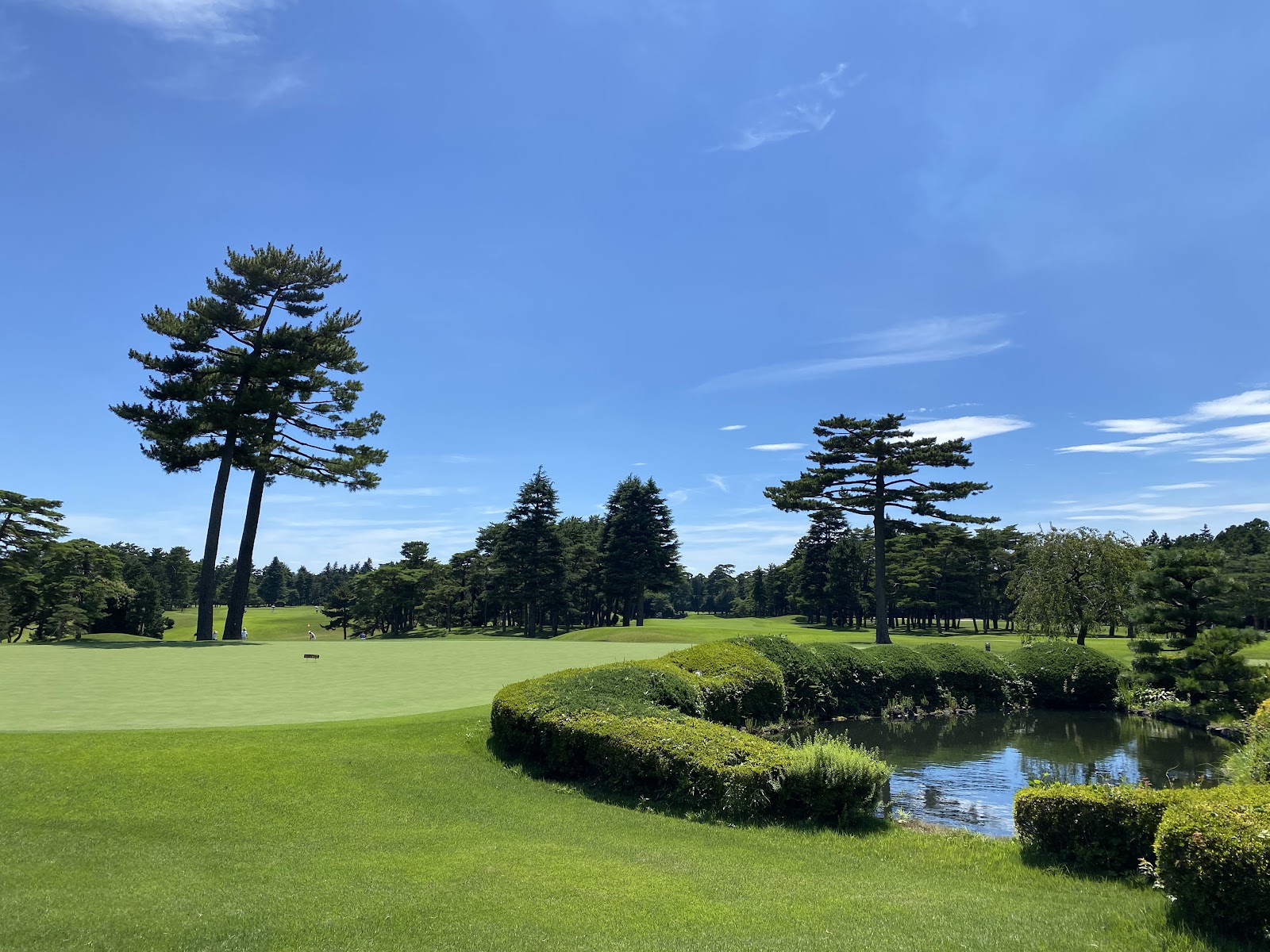
Seiichi Inoue, the most revered of Japan's classical architects, laid out Ryugasaki in 1958 on rolling ground northeast of Tokyo. A par 72 of about 6,770 yards, it is rated among the top ten courses in Japan year after year, and Inoue returned to tend it for decades. It is a private members club.
Photo: Ryugasaki Country Club via Google.
The verdict
Ryugasaki is one of the purest expressions of Seiichi Inoue's art. Opened in 1958 in Ibaraki, an hour or so northeast of central Tokyo, it runs over gently rolling parkland and has been a fixture near the top of Japan's rankings for generations. Inoue, who studied the British classics and brought their strategic spirit home, considered it among his finest work and visited often to guide its upkeep.
The design is understated and exacting. Wide, tree framed fairways give way to firm, beautifully contoured greens defended by Inoue's elegant bunkering, the kind of course that asks for position and shotmaking rather than power. Conditioning is immaculate in the Japanese tradition. It is a private members club with very limited outside play, so a round here is a privilege that needs arranging well in advance, ideally through a member or a specialist, but for the classical golf connoisseur it is one of the great rounds in Asia.
Ryugasaki Country Club at a glance
- Opened
- 1958
- Designer
- Seiichi Inoue
- Type
- Parkland
- Par
- 72
- Yardage
- About 6,770 yds
- Green fee
- Members
Designer, opening year, par and yardage verified June 2026 from Ryugasaki Country Club and leading course databases. Ryugasaki was laid out by Seiichi Inoue and opened on 8 November 1958, a par 72 of about 6,770 yards from the back tees. It is a private members club with very limited outside play and no published public green fee; any guest access is arranged through a member or a specialist. Always confirm access directly before planning a visit.
The holes worth the trip
Ryugasaki is a study in restraint. Inoue routed the course to use the natural roll of the land, the fairways generous off the tee but angled so that the line in to each green rewards the player who has thought about position. There is little water and little artifice; the defence is in the contouring and the bunkering.
The greens are the heart of the course, firm and subtly sloped, demanding precise distance control and a deft touch from short range. Inoue's bunkers are placed to catch the careless rather than to punish the brave, and the best scores come from plotting a careful route rather than attacking. The par 3s are a particular highlight, varied in length and beautifully set into the trees.
It is a walking course in the classical mould, conditioned to a standard that flatters every shot, and it has held its place among Japan's elite for more than six decades. For the visiting golfer fortunate enough to gain access, Ryugasaki is a masterclass in quiet, strategic design.
How to get on
| What to know | Detail |
|---|---|
| Access | Private members club; outside play is very limited and generally needs a member or a specialist introduction |
| Green fee | No published public fee; any guest rate is arranged through the club (indicative, 2026) |
| Booking | Arrange well in advance through a member or a Japan golf specialist; weekend access is especially restricted |
| On the day | Traditional Japanese club etiquette, including a mid round lunch break and a bathhouse; caddies often required |
| Getting there | Ryugasaki, Ibaraki prefecture, about one hour northeast of central Tokyo by road |
| Best months | April to June and September to November for the most comfortable playing conditions |
Access arrangements verified June 2026; Ryugasaki is private and policies change, so always confirm directly before planning a visit through a member or your trip planner.
Where to stay nearby
Most visiting golfers playing the Tokyo area courses base themselves in the capital, which offers world class hotels at every level and easy road access out to the clubs of Ibaraki and the surrounding prefectures. A Tokyo base lets you pair Ryugasaki with the other great courses around the city.
For a golf focused stay closer to the course, the Tsukuba and Ushiku area offers comfortable business hotels within reach, though most travellers prefer the range and dining of central Tokyo. Ryugasaki sits naturally on an itinerary of Japan's classical inland courses around the capital.
Looking for a base? See our recommended hotels and resorts near Ryugasaki Country Club.
Build a Tokyo golf trip
We arrange access to Japan's great members clubs where it can be secured, pair them with the best of the Tokyo region and book the lodging around them. Tell us roughly when and who is travelling and one concierge costs it to the head, with no obligation.
Ryugasaki Country Club questions
Who designed Ryugasaki Country Club and when did it open?
Ryugasaki was designed by Seiichi Inoue, the most revered of Japan's classical golf architects, and opened on 8 November 1958 in Ibaraki prefecture.
What is the par and length of Ryugasaki?
Ryugasaki is a par 72 of about 6,770 yards from the back tees, a classical parkland course set on gently rolling ground northeast of Tokyo.
Where does Ryugasaki rank?
Ryugasaki is rated among the top ten courses in Japan year after year in the leading Japanese rankings, widely regarded as one of Seiichi Inoue's finest designs.
Can visitors play Ryugasaki?
Ryugasaki is a private members club with very limited outside play. Access generally requires a member or a Japan golf specialist and should be arranged well in advance; confirm directly before planning a visit.
Related
The Tee Sheet
Tee time windows, course access changes and the trips worth taking. Every other week.
Researched and written by the GolfForKings editorial desk. Designer, opening year, par and yardage verified June 2026; indicative green fees verified June 2026. Last reviewed June 2026.