How to Plan a Golf Trip to Scotland
Scotland is the home of golf and the richest run of links on earth, from St Andrews and the Fife coast to Ayrshire, East Lothian and the wild Highlands. Planning the trip well is mostly about choosing a region, timing the weather, solving the Old Course, and getting the logistics right. Here is how to put it together, with the regions, the season, the indicative fees, the caddies and a sample route.
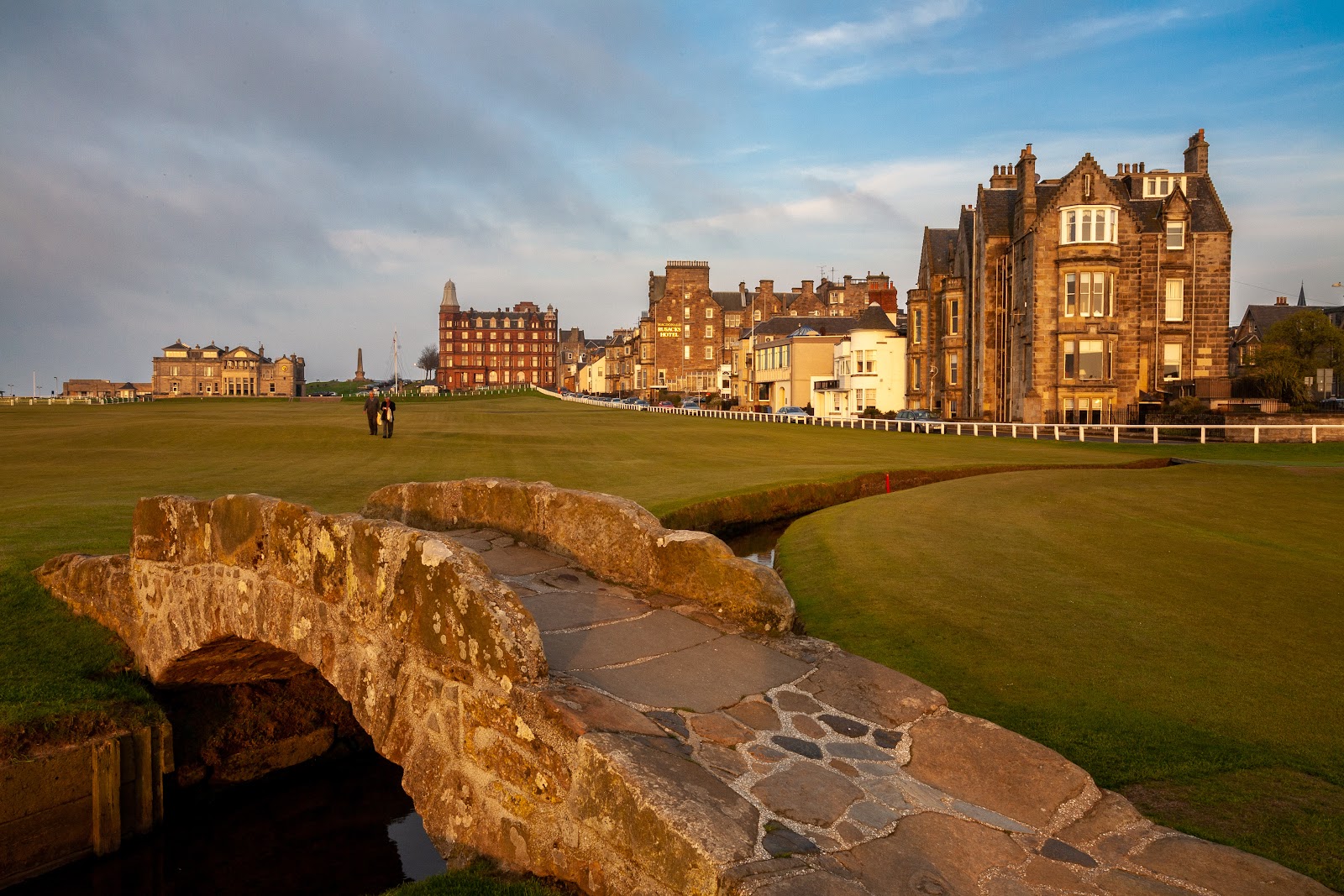
Photo: the Old Course, St Andrews, via Google.
Start by choosing a region
The single biggest decision is where to base the trip, because Scotland's links fall into a handful of clusters, and trying to play all of them in one week means too much time in the car. Pick one region, play it properly, and save the rest for a return. St Andrews and Fife is the classic first trip, Ayrshire and East Lothian the championship coasts, and the Highlands the connoisseur's wilder choice.
St Andrews and Fife
The home of golf and the obvious first trip. The Old Course anchors a town with six other public links, including the New, the Jubilee and the dramatic Castle Course, and the Fife coast adds Kingsbarns, the Dukes and the Crail clubs nearby. You can build a brilliant week inside a thirty minute radius of one base, which is why most first timers start here. The catch is solving the Old Course tee time, covered below.
Ayrshire
The Open coast in the southwest, flying into Glasgow or Prestwick. Royal Troon, Trump Turnberry's Ailsa and Prestwick, the cradle of the Open, sit within a short drive of one another along the Firth of Clyde, with Western Gailes and Dundonald rounding out a heavyweight links week. It is championship golf of the highest order and an easy region to navigate, ideal for a serious group.
East Lothian
Just east of Edinburgh, the most accessible great links coast, often called Scotland's golf coast. Muirfield, North Berwick, Gullane and Dunbar string along a short stretch within forty minutes of the capital, so you can mix world class golf with nights in Edinburgh. A superb choice for a shorter trip or a first taste of links golf without a long transfer.
The Highlands
For those who want the wilder, more remote trip, the north delivers raw, uncrowded links amid spectacular scenery. Royal Dornoch, often rated among the finest links in the world, anchors a run that includes Castle Stuart near Inverness, Nairn, Brora and Tain. It is a longer drive between courses and a more rugged itinerary, and all the more memorable for it.
Indicative costs to budget
Green fees are the largest line on a Scottish trip, and the marquee links are not cheap. Use the figures below as a guide, then build the budget around how many flagship rounds you want.
| Line | Indicative 2026 cost |
|---|---|
| Old Course St Andrews, high season green fee | Around 355 pounds per round |
| Other championship links, high season | Around 200 to 350 pounds per round |
| Caddie at the Old Course | Around 50 pounds plus gratuity |
| Caddie, broad Scottish guideline with tip | Around 100 to 130 pounds per bag |
| Whole trip, 6 to 8 days, booked directly | Around 2,500 to 6,000 pounds or more |
| Whole trip, through a specialist | Roughly a quarter more |
Indicative 2026 figures for guidance only. Green fees, caddie rates and packages vary by season and club, so always confirm directly before booking. Check Scottish links tee time availability.
Solving the Old Course, and the rest of the booking
The Old Course is the one piece that needs a plan of its own. There are three routes onto it. Advance single rounds are released well over a year ahead and are snapped up almost at once. Most visitors instead enter the daily ballot, a free random draw you apply for online by 2pm two days before you want to play, with results posted that afternoon, which is a lottery but costs nothing to try. The surest route is a guaranteed tee time bundled into a tour operator package, which carries a premium and usually a minimum stay in the town. Note the Old Course is closed to visitors on Sundays, when locals walk the links.
Book the rest of the marquee courses first and book them early. The best times at Muirfield, Turnberry, Kingsbarns and Royal Dornoch can go many months ahead, so fix those, then arrange the week around them. Early planning also locks in better hotel availability. Pair courses that sit close together to cut transfer time, and remember some clubs keep certain days for members, so check visitor access when you build the order.
Timing, weather and the logistics
Go in May, June or September. These months give the best balance of milder, drier weather, very long daylight, and firm links turf, with September often the connoisseur's pick as the crowds thin and the ground runs fast. July and August are the busiest and dearest, while winter is cheap and quiet but cold, wet and short on light. Whenever you go, pack layers and waterproofs, since the weather on an exposed links can turn within a single round, and aim for morning tee times in the shoulder months to be sure of finishing in the light.
For getting around, a group of two to four is usually best self driving, flying into Edinburgh or Glasgow and taking a hire car between courses, with the regions compact enough that transfers are short. Larger groups, or anyone who would rather not drive after golf, should take a chauffeured van and driver. On the courses themselves, take a caddie on the great links, both for the local knowledge and because buggies are restricted or unavailable at many traditional clubs, where walking with a caddie or a trolley is the norm.
A sample 6 day Fife and East Lothian route
If a first trip is your aim, this is a clean, low driving plan that pairs the home of golf with Scotland's golf coast. Fly into Edinburgh and open in East Lothian with North Berwick and Gullane, two of the most enjoyable links in the country, basing near the coast or the capital. Move north to St Andrews for the heart of the week: play Kingsbarns and the New Course, enter the Old Course ballot for any free day, and take in the town. Add a round on the Castle Course or at Crail, then finish with your Old Course tee time if it comes through. It is five or six rounds in six days, every one a links, with Edinburgh at one end and St Andrews at the other.
That is one shape among many, and the right order depends on your tee times, your group and the weather. The value of a planner here is real: chasing the Old Course access, securing the Kingsbarns and Muirfield slots, sequencing the rounds to keep the driving short, and matching the hotels to the route. Tell us the dates and the group and we will build it.
Plan your Scotland golf trip
We chase the Old Course access, secure the marquee tee times at the clubs that book a year out, sequence the rounds to keep the driving short and sort the caddies, the cars or driver and the hotels. Tell us roughly when and who is travelling, and one concierge costs it to the head, with no obligation.
Scotland golf trip questions
How much does a golf trip to Scotland cost?
Most six to eight day trips land indicatively around 2,500 to 6,000 pounds or more per golfer when booked directly, depending on how many marquee courses you include and the standard of hotel. Green fees are the biggest line, led by the Old Course at St Andrews at an indicative 355 pounds in the 2026 high season, with other championship links around 200 to 350 pounds, plus caddies, a hire car or driver and hotels. A specialist who handles everything typically adds roughly a quarter. Always confirm current fees directly before booking.
How do you get a tee time on the Old Course at St Andrews?
There are a few routes. Single rounds are released by advance application well over a year ahead and go quickly, so most visitors try the daily ballot, a free random draw entered online by 2pm two days before the day you wish to play, with results posted that afternoon. The surest route is a guaranteed tee time bundled into a tour operator package, which costs a premium and usually requires a minimum stay. The Old Course is closed to visitors on Sundays. Always confirm current access rules and fees directly before booking.
When is the best time for a golf trip to Scotland?
Aim for May, June or September. These months give the best balance of milder, drier weather, very long daylight and firm links turf, with September often the connoisseur's pick as the summer crowds thin and the ground runs fast. July and August are the busiest and dearest, while winter is cheap and quiet but cold, wet and short on light. Whenever you go, pack layers and waterproofs, since Scottish links weather can change quickly.
Do you need a caddie on the Scottish links?
A caddie is not required but is strongly recommended on the great links, where a local read of the wind, the blind lines and the bounce is worth every penny on a first visit. At the Old Course the caddie fee is indicatively around 50 pounds plus a gratuity, with a broad guideline across Scotland of roughly 100 to 130 pounds per bag once the tip is added. Buggies are restricted or unavailable at many traditional clubs, so most golfers walk with a caddie or a trolley.
Related
The Tee Sheet
Planning guides, course access changes and the trips worth taking. Every other week.
Researched and written by the GolfForKings editorial desk. Regions, indicative fees and Old Course access rules verified June 2026. Last reviewed June 2026.