Buggies, Caddies and Etiquette in the Cotswolds
Cotswolds golf plays by older rules: common land courses where cattle hold grazing rights, green fees from around 25 pounds, one famous hilltop where no buggy is hired, and not a caddie in sight. Here is how to get it right.
Photograph: Marika Dixon, via Google
What makes the Cotswolds different
Common land golf, the genuine article
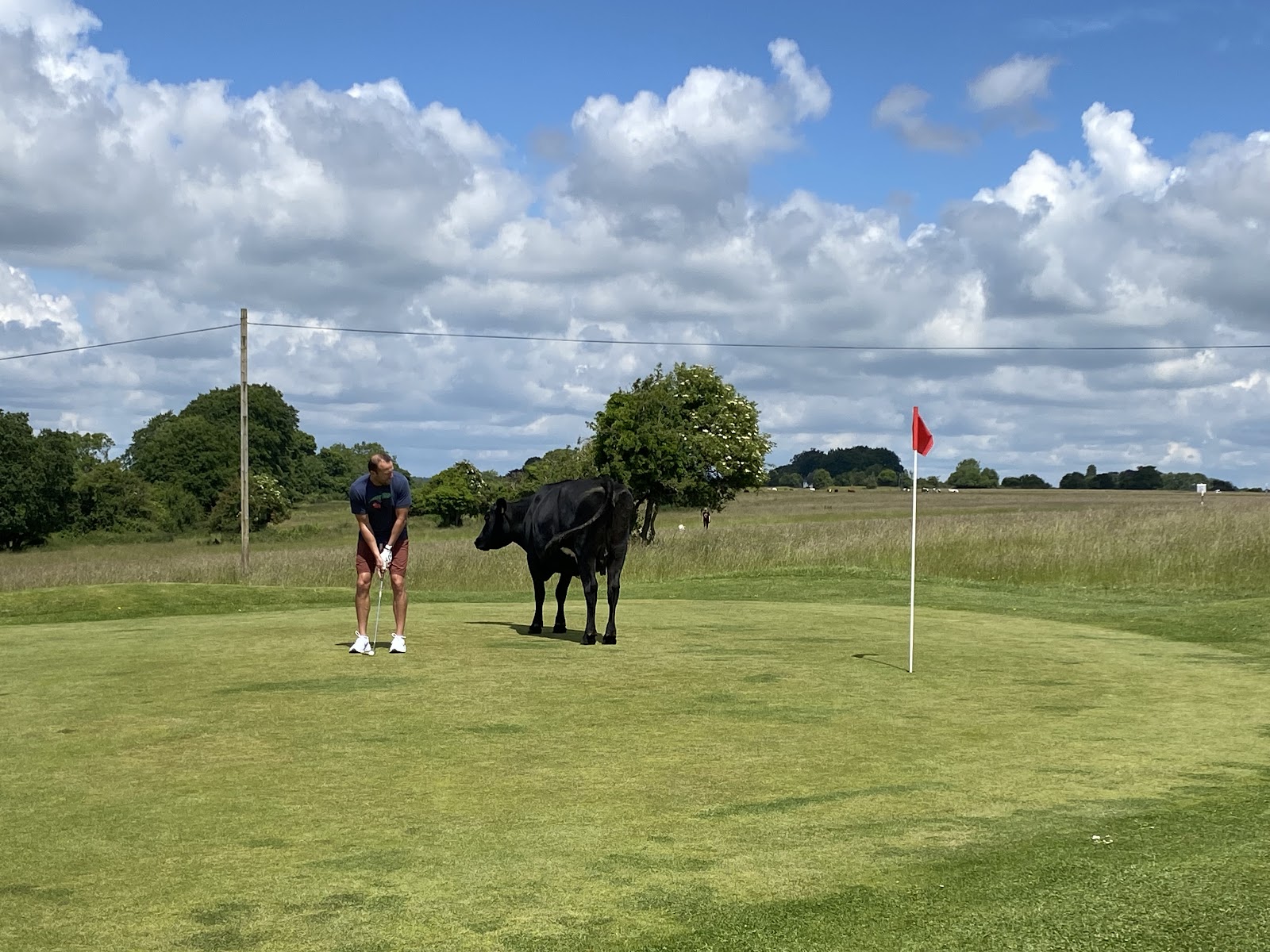
Two of the region's most distinctive courses are laid out over registered common land, and that changes everything about how a visiting golfer should approach them. Minchinhampton Golf Club's Old Course rolls across Minchinhampton Common above Stroud, a layout with no bunkers in the modern sense, where natural contours do the defending and cattle and horses graze the fairways by ancient right. Cleeve Hill, perched on the highest ground in the Cotswolds above Cheltenham, is the same idea at altitude: panoramic, windswept, shared with walkers, riders and sheep. Neither is manicured club golf, and both are the reason to come.
Buggies: assume walking, with one hard no
The headline rule: Cleeve Hill does not hire buggies to visitors at all, a safety decision driven by the terrain, so anyone who cannot walk a hilly 18 should plan a different course that day. On the common land courses generally, walking is the assumption and an electric trolley is the sensible compromise. The region's parkland and downland clubs are more conventional, most hire buggies subject to availability and ground conditions, but fleets are small and wet winters take them off the grass, so book the buggy when you book the tee time and confirm the day before. Our wider guide to buggy and trolley policies at links courses explains the same logic on the coast.
Caddies: not a Cotswolds institution
Set expectations now: there is no caddie culture here. Caddie programs in England live at the great heathland and championship clubs, places like Sunningdale's Old Course, and at the links. In the Cotswolds you take a trolley, read your own putts and enjoy golf the way the members play it. If your trip blends the Cotswolds with Scotland or Ireland, our guide to caddies in Scotland and Ireland covers costs and tipping where caddies genuinely matter.
Etiquette: livestock, walkers and the right of way
On the commons, the animals were there first, legally. Give cattle and horses a wide berth, never fire a shot anywhere near them, and play a ball that finishes beside livestock under the club's local rules rather than your own bravado; a free drop clear is the standard treatment. Walkers, riders and kite flyers cross the courses freely and have the right of way, so wave groups through your line patiently and shout fore early and loudly. Minchinhampton's Old Course also gives the common back to the public at certain times, Sunday afternoons being the traditional window, so confirm tee availability before building a Sunday around it. Dress codes across the region are relaxed by English standards, smart golf wear is universally fine, and pace of play matters more than polish: these are busy community courses. For how this compares abroad, see golf etiquette abroad and our dress codes at the world's top courses guide.
Policies and costs at a glance
| Course | Buggies and caddies | Indicative cost and notes |
|---|---|---|
| Minchinhampton, Old Course | Walking golf on open common; trolleys the norm, no caddie program | A 2026 visitor reported 35 pounds booked online, 25 with a county card; cattle and horses graze the course; check Sunday availability |
| Cleeve Hill | No buggies hired to visitors, a safety rule for the terrain; trolleys fine, no caddies | Around 25 pounds midweek and 30 at weekends in recent seasons, twilight near 15; the highest course in the Cotswolds, open to the public |
| Parkland and downland clubs (Minchinhampton's Avening and Cherington, Broadway, Cirencester and others) | Buggies generally available subject to weather and fleet; book with the tee time; no caddie culture | Conventional club visitor rates above the commons but well below heathland money; confirm buggy availability the day before |
Costs are indicative planning figures, per player. We do not quote our own pricing; always confirm directly before booking. Check tee time availability.
The honest verdicts
Who should build a trip around this?
Golfers who rate atmosphere over conditioning. The commons offer a kind of golf that has mostly vanished from England, fast running, unirrigated, shared with the village, and at 25 to 35 pounds it is the country's most charming bargain. A buddies group chasing pristine surfaces should treat the Cotswolds as a one day character stop inside a bigger England itinerary rather than the destination itself; the full case for the region is in our Cotswolds destination guide.
The practical bottom line
Walk where the land asks you to walk, take an electric trolley if the hills worry you, skip Cleeve Hill if you genuinely need a buggy, and leave the caddie expectations at the heathland gate. Respect the livestock and the walkers and you will be welcomed back. For the nights, our recommended Cotswolds stays put honey colored villages between your rounds.
Plan your England golf trip
Tell us your dates and group, and one concierge blends the commons, the heathlands and the coast into one route. No obligation.
Cotswolds golf questions
Can you hire a buggy on Cotswolds golf courses?
At most parkland and downland clubs, yes, subject to availability and weather; book one when you book the tee time. The notable exception is Cleeve Hill, where buggies are not hired to visitors for safety reasons because of the terrain. On the common land courses generally, walking is the assumption; electric trolleys are the sensible compromise.
Are there caddies in the Cotswolds?
Effectively no. Caddie programs are a feature of the great links and a handful of heathland clubs, not Cotswolds club golf. Expect trolleys, not bag carriers; if your group is used to caddies, that culture starts at courses like Sunningdale and the Scottish and Irish links.
What is the etiquette around livestock on common land courses?
On Minchinhampton Old and Cleeve Hill, cattle and horses hold grazing rights and wander the fairways. Give animals a wide berth, never play a shot that could strike one, and treat a ball lying beside livestock the way you would treat one beside a rabbit scrape: drop clear under the club's local rules. Walkers and riders also cross freely; they have the right of way.
How much does golf cost in the Cotswolds?
This is some of England's best value golf. Cleeve Hill has run around 25 pounds midweek and around 30 at weekends with twilight rates near 15, and a 2026 visitor to Minchinhampton Old reported 35 pounds online, reduced to 25 with a county card. The big club courses charge more but rarely approach heathland money. Fees are indicative; always confirm directly before booking.
Related
The Tee Sheet
Tee time windows, course access changes and the trips worth taking. Every other week.
Researched and written by the GolfForKings editorial desk. Cleeve Hill no buggy policy, public access and rate history verified June 2026 against the club's visitor pages and course guides; Minchinhampton common land status, grazing rights, bunkerless Old Course and 2026 visitor fee reports verified against the club's published information and recent visitor accounts. Last reviewed June 2026.