Golf on the Melbourne Sandbelt
A band of sandy soil southeast of Melbourne holds the greatest cluster of courses in the Southern Hemisphere. Royal Melbourne, Kingston Heath and a string of MacKenzie inspired masterpieces, all within a short drive of one another. The courses that matter, how to get on and how to plan it.
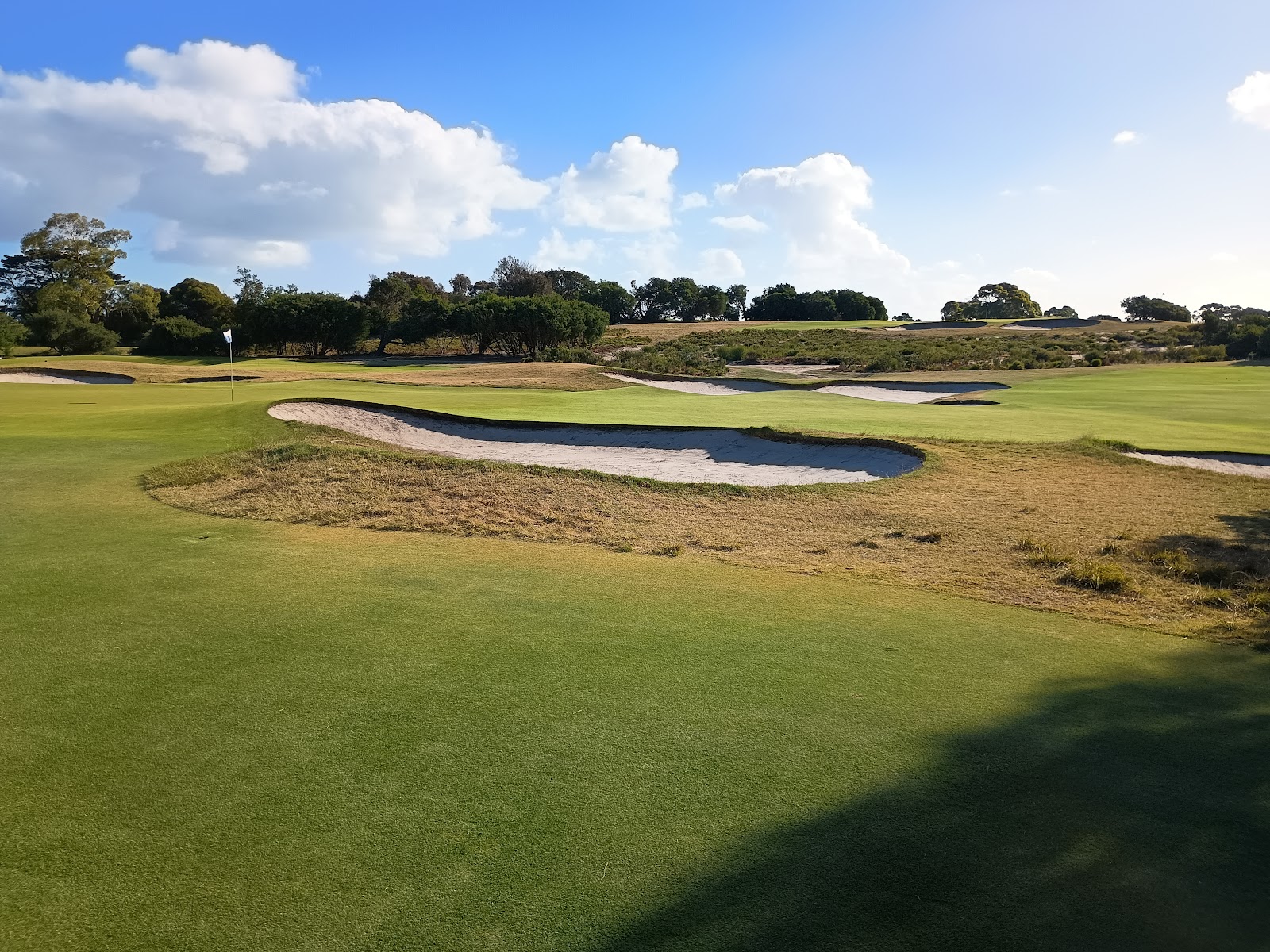
Photograph: Royal Melbourne Golf Club, Owen Tully, via Google
Why golf on the Sandbelt
The Melbourne Sandbelt is, hole for hole, the densest concentration of great golf anywhere on earth. A band of free draining sandy soil runs southeast from central Melbourne through suburbs such as Black Rock, Cheltenham and Dingley, and on it sit a dozen courses of genuine world class, most within twenty minutes of one another. The soil is the secret: it lets the greens run firm and fast, it holds the bold, sculpted bunkers that define the look of the place, and it keeps the courses playable through every season of the year.
The other secret is a man. When Alister MacKenzie visited Australia in 1926, on his way to designing Augusta National and Cypress Point, he laid out Royal Melbourne's West Course and left his fingerprints on Kingston Heath, Victoria, Metropolitan, Yarra Yarra and more, advising on routing and bunkering that the local greenkeepers, led by Mick Morcom, built to perfection. The result is a shared design language of width, angles, short grass and fearsome bunkering that makes the Sandbelt feel like one enormous, connected golf course. Royal Melbourne's composite layout has hosted the Presidents Cup three times, most recently in 2019, and a week here is a pilgrimage every serious golfer should make once.
The areas
The Sandbelt heart
Black Rock and Cheltenham, where Royal Melbourne, Victoria and Kingston Heath sit almost side by side. This is the core of any trip, three of the best courses in the world inside a few minutes of each other.
The southern Sandbelt
South toward Oakleigh South and Dingley, home to Metropolitan, Commonwealth, Yarra Yarra, Huntingdale and Woodlands, the deep supporting cast that turns a couple of marquee rounds into a full week of championship golf.
The Mornington Peninsula
An hour south, the dunes and clifftops of the Mornington Peninsula add courses such as The National and St Andrews Beach, a natural extension that pairs Sandbelt golf with the coast, the vineyards and the hot springs.
The courses that matter
Royal Melbourne, West Course
The crown jewel of the Sandbelt and routinely ranked the finest course in Australia, MacKenzie's masterpiece of width, angles and brilliant green complexes. With the East, it forms the composite course that has hosted the Presidents Cup three times, most recently in 2019.
Royal Melbourne, East Course
MacKenzie's collaborator Alex Russell designed the East in the same idiom, a top course in its own right that supplies six holes to the composite layout. Quieter than the West but with several of the club's most admired holes, it is an essential half of the Royal Melbourne experience.
Kingston Heath
Often ranked second only to Royal Melbourne in Australia, and for many the purest test on the Sandbelt. Dan Soutar routed it, and MacKenzie's 1926 bunkering scheme made it a classic, including the short, uphill 15th he reshaped into a work of genius.
Victoria Golf Club
The longtime home of five time Open champion Peter Thomson, sitting across the road from Royal Melbourne and every bit a part of the heart of the Sandbelt. A subtle, beautifully bunkered course that many visitors leave rating among their favorites of the trip.
Metropolitan
The nearest of the great clubs to the city and famed for having the finest turf on the Sandbelt, a precise, immaculate test that has hosted seven Australian Opens and a World Golf Championship. Pure conditioning and classic Sandbelt bunkering throughout.
Commonwealth
A strong, underrated members course with some of the best par 4s on the Sandbelt and a fine set of greens. Less celebrated than its neighbors only because the competition is so fierce, it is a course any visiting golfer is glad to have played.
Yarra Yarra
Another of the clubs touched by MacKenzie's visit, with a celebrated short hole and bold, sandy bunkering that captures the Sandbelt look. A relaxed, welcoming club and a rewarding round that rounds out a multi course week.
Peninsula Kingswood
The product of a 2013 merger of two clubs, recently and brilliantly restored, with thirty six holes that now rank among the very best on the Sandbelt. The North in particular has climbed the national rankings and belongs on a serious itinerary.
Huntingdale
For decades the home of the Australian Masters and the gold jacket, a strong, tree lined Sandbelt course that played host to the best players in the world. A touch more parkland in feel than its neighbors, but a fine and historic round.
Woodlands
A connoisseur's favorite, a compact, cleverly routed course with some of the most natural and characterful bunkering on the belt. Less famous than the big names but loved by those who know it, an easy and rewarding add to a Sandbelt week.
Designers, host history and rankings verified June 2026. Every Sandbelt club is private, with visitor access by reciprocal arrangement or through a tour operator, which we handle. Course profiles are added across the site as the directory grows. Always confirm visitor access and fees directly before booking.
When to go
| Season | Conditions | Verdict |
|---|---|---|
| September to November | Mild southern spring, firm and fast surfaces | Prime season, the courses at their very best |
| March to May | Warm autumn days, settled and dry | The other great window, comfortable and quiet |
| December to February | Warm to hot summer, dry and firm | Fine golf, early tee times on the hottest days |
| June to August | Cool, green winter, still very playable | The quietest months, the sandy soil keeps it open |
The sandy soil means the Sandbelt plays well year round, but the southern spring and autumn give the firmest, fastest conditions and the most comfortable weather. Always confirm visitor access before you travel.
Indicative costs
| Item | Indicative 2026 | Notes |
|---|---|---|
| Marquee club green fee | Around A$200 to A$500 | Royal Melbourne and Kingston Heath, by arrangement |
| Other Sandbelt clubs | Around A$120 to A$250 | Metropolitan, Victoria, Commonwealth and the like |
| A week, all in | Around A$4,500 to A$8,000 per person | Several great courses, good hotels, transfers, excluding flights |
Indicative third party figures for the 2026 season, shown to set expectations only. We are a guide, not an operator, and never quote our own pricing. Always confirm directly before booking.
Getting there and around
Melbourne is a major international gateway, served by long haul flights from across Asia, the Middle East, the Americas and beyond into Tullamarine airport. The Sandbelt itself lies in the southeastern suburbs, roughly forty five minutes from the airport and twenty to thirty minutes from the city center, with the clubs strung close together so the drives between rounds are short. A hire car or, better still, a driver works well, since some clubs prefer visitors to arrive by arrangement and a driver removes the hassle on a multi course day. The Mornington Peninsula courses sit about an hour further south.
Where to stay
Most visitors base in central Melbourne and treat the Sandbelt as a short daily commute, which works because the city is one of the world's most liveable, with superb restaurants, coffee and sport on tap for the evenings. For golfers who would rather be on the doorstep, the bayside suburbs of Brighton and Sandringham put you minutes from Royal Melbourne and Kingston Heath. If the trip extends to the Mornington Peninsula, a night or two among the vineyards and beaches near Sorrento or Flinders rounds it out beautifully. Let one planner secure the tee times and match the base to the itinerary.
Plan your Melbourne Sandbelt trip
Tell us the courses you want and roughly when. One concierge costs the whole trip to the head, arranges the private club access and replies within one working day, with no obligation.
Melbourne Sandbelt golf questions
What is the Melbourne Sandbelt?
It is a band of free draining sandy soil running southeast of central Melbourne, from Black Rock down toward Cheltenham and Dingley, on which sits the greatest concentration of top courses in the Southern Hemisphere. Royal Melbourne, Kingston Heath, Victoria, Metropolitan, Commonwealth, Yarra Yarra, Huntingdale, Woodlands and Peninsula Kingswood are all clustered within a short drive, most bearing the influence of Alister MacKenzie's 1926 visit.
Can visitors play the Sandbelt courses?
All of the Sandbelt clubs are private members clubs, but most welcome visitors on certain days through reciprocal arrangements with overseas clubs or through a golf tour operator who holds access. Tee times are limited and need arranging well ahead, with handicap and dress requirements at the senior clubs. A planner who knows the clubs is the most reliable way to line up a multi course Sandbelt week.
When is the best time to play the Melbourne Sandbelt?
The Sandbelt plays well year round thanks to its sandy soil, but the best windows are the southern spring from September to November and autumn from March to May, with mild temperatures and firm, fast conditions. Summer is warm to hot and winter is cool but still very playable. Always confirm visitor access before you travel.
Related
The Tee Sheet
New course openings, the trips our concierge is quietly building and the booking windows worth moving on early. Every other week.