Buggies, Caddies and Etiquette in South Carolina
South Carolina is cart country. Across Myrtle Beach, Hilton Head and the lowcountry resorts, the buggy is standard and usually built into the fee. The exceptions are special: the celebrated caddie program at Kiawah's Ocean Course, the loopers at Harbour Town, and the walk with caddies at May River. Here is where you ride, where you walk, what the caddies cost, and the etiquette that keeps you welcome.
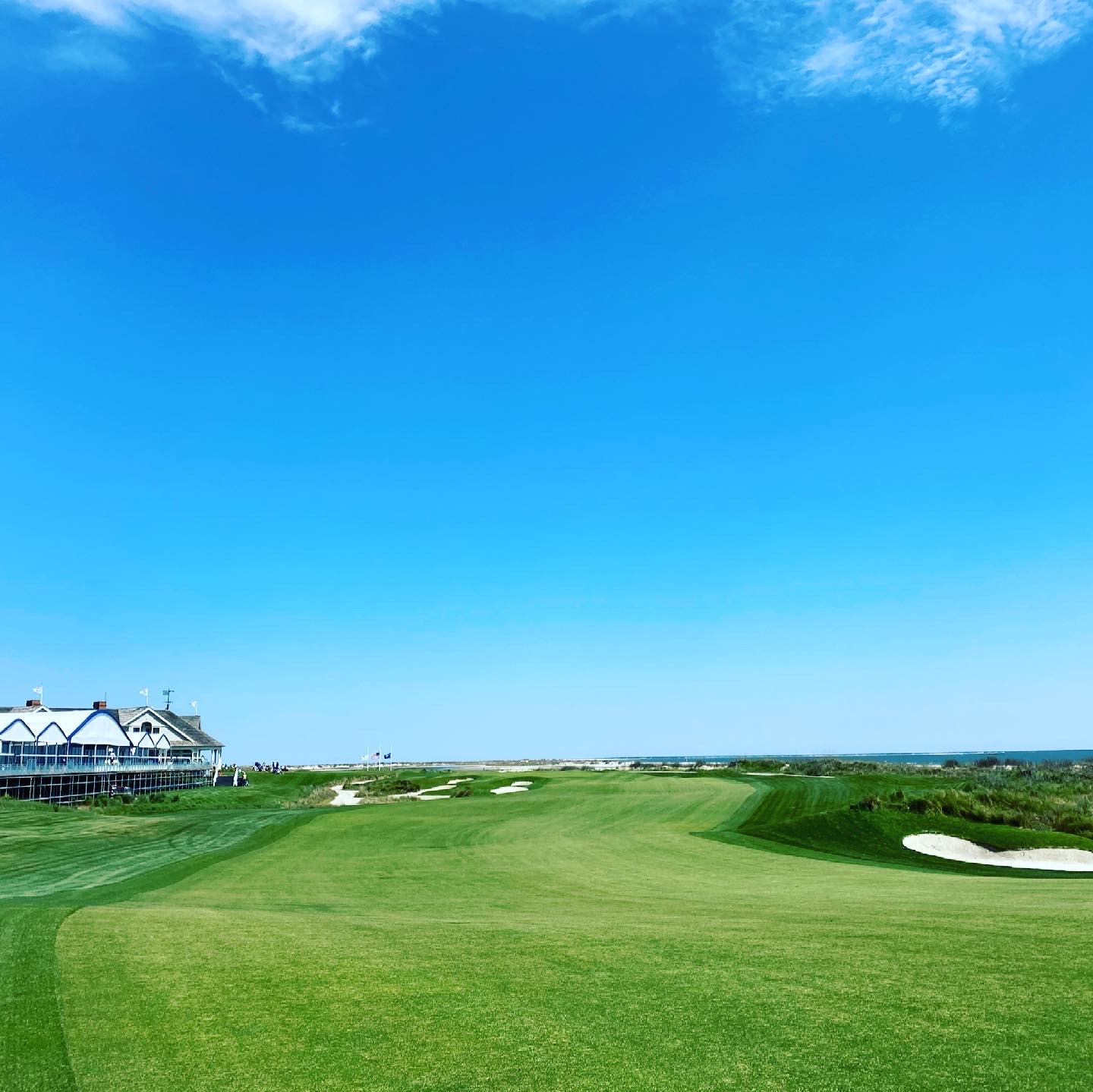
Photograph: The Ocean Course, Kiawah Island, South Carolina, via Google
The short answer
South Carolina plays as a riding state. From the dense golf strip of Myrtle Beach to the resort courses of Hilton Head and the lowcountry, the cart is the default, usually included in the green fee, and most courses move groups along on the path or on a 90 degree rule. The lowcountry heat and humidity, fierce from June into September, is a big part of why: walking a full round in August on the coast is hard work, so the buggy keeps pace and keeps golfers comfortable.
The exceptions are the ones worth planning around. The Ocean Course at Kiawah Island runs one of the finest caddie programs in American golf, walking only outside high summer, and it is a different, better way to experience a great course. Pete Dye's Harbour Town at Sea Pines offers caddies, and May River at Palmetto Bluff is a Jack Nicklaus walk through century old live oaks made for a looper. Knowing which courses reward walking, and which simply expect a cart, is the most useful thing to settle before you travel.
Walking, carts and caddies across South Carolina
| Course or area | On foot or cart | Caddies | Notes |
|---|---|---|---|
| The Ocean Course, Kiawah Island | Walking only, except carts after 10am in June to August | Walking caddies and forecaddies, program since 2000 | Gratuity about 120 dollars per player walking, 60 dollars forecaddie; forecaddie required if riding in summer |
| Harbour Town, Hilton Head | Cart standard; walking with a caddie available | Caddie service via Sea Pines | RBC Heritage host; book caddies ahead |
| May River, Palmetto Bluff | Very walkable; caddies encouraged | Caddies for the full walking experience | Nicklaus design through live oaks; resort guest and member access |
| Myrtle Beach courses | Cart standard, usually in the fee | Rare | Riding strip; cart path or 90 degree rules common |
| Caledonia and True Blue, Pawleys Island | Cart standard; walking sometimes allowed | Limited | Strantz designs; check walking policy by season and time |
Course policies and caddie gratuities verified June 2026 and change without notice; private and semi private clubs require member or resort guest access and figures are indicative. Always confirm cart and caddie policy directly before booking. Check South Carolina tee time availability.
Caddies and walking on the coast
If a caddie experience is the reason you are coming, the Ocean Course at Kiawah is the heart of it. The program, established in 2000, has become a hallmark of the course, offering both walking caddies who carry and read the lines and forecaddies who walk ahead to spot and give yardages. The Ocean Course is walking only outside high summer, and from June through August carts are allowed only after 10am, kept to the paths, with a forecaddie then required. There is no fixed caddie fee, but recommended gratuities are about 120 dollars per player for a walking caddie and 60 dollars per player for a forecaddie, paid in cash on the day. Harbour Town at Sea Pines, the Pete Dye and Jack Nicklaus classic that hosts the RBC Heritage, also runs a caddie service worth booking ahead, and May River at Palmetto Bluff is a serene Nicklaus walk through old live oaks that is far better appreciated on foot with a looper.
Treat the caddie as the local expert that they are. Ask for the line off the tee, the read on the greens and the pace, listen on the signature holes, and tip on top of any program fee. Walking these courses is part of the privilege, so resist the urge to ride where the course invites you to walk, and where a cart is required in summer, keep it on the path and out of the way of the people on foot.
Riding and the heat in the lowcountry
Everywhere else, expect to ride. South Carolina summers are hot and humid, with afternoon highs and heavy air from June into September, so carts are standard and usually included, tee times move early, and many courses run cart path only or 90 degree rules, especially after rain or overseeding. The prime, comfortable seasons are spring and autumn, roughly March to May and September to November, when the weather is kind and the courses are busiest. Whenever you ride in the heat, carry far more water than you think you need, wear a hat and sunscreen, and get out early.
Etiquette and how to plan around it
The usual courtesies apply statewide: keep pace, repair pitch marks, replace or sand divots, rake the bunkers, and keep carts away from greens and tees. Dress codes at the better resorts mean a collared shirt and proper golf shoes, with no denim at most. The smart way to build a South Carolina trip is to decide where you want the caddie experience and lock those rounds and any caddie requests in well ahead, then treat the rest as comfortable cart golf timed to the kinder seasons. Settle the walking, cart, caddie and dress questions before you travel, and the golf takes care of itself.
Plan a South Carolina golf trip
Tell us roughly when and who is travelling, and one concierge routes the courses, locks in the caddie requests at Kiawah and Harbour Town, sorts the carts elsewhere, and times the trip to the kinder season. We cost it to the head and reply within one working day, with no obligation.
South Carolina buggies, caddies and etiquette questions
Can you take a caddie at Kiawah's Ocean Course?
Yes. The Ocean Course at Kiawah Island runs one of the best caddie programs in American golf, established in 2000, with walking caddies and forecaddies available. The course is walking only except in June, July and August, when carts are allowed for golfers teeing off after 10am, restricted to the paths, and a forecaddie is then required. There is no set caddie fee but recommended gratuities are about 120 dollars per player for a walking caddie and 60 dollars per player for a forecaddie. Always confirm caddie and cart policy directly before booking.
Do you need a cart to play golf in South Carolina?
Mostly yes. South Carolina is cart country: across Myrtle Beach, Hilton Head and most resort and daily fee courses, riding is standard and a cart is usually included in the green fee, partly because of the lowcountry heat and humidity. The notable exceptions are the walking and caddie experiences at Kiawah's Ocean Course, Harbour Town and May River at Palmetto Bluff. Check each course, because the default is a cart. Always confirm directly before booking.
How much should you tip a caddie in South Carolina?
At the Ocean Course at Kiawah the recommended gratuities are about 120 dollars per player for a walking caddie and 60 dollars per player for a forecaddie, paid on top of any program fee. At Harbour Town and other caddie courses, a customary tip is broadly similar, scaled to the service and the number of bags. Caddie fees and gratuity guidance change, so always confirm the current rate directly before booking.
Is it too hot to walk in South Carolina?
In high summer it can be. The lowcountry is hot and humid from June into September, which is exactly why the Ocean Course allows carts after 10am in those months and why most courses are cart based year round. Spring and autumn, roughly March to May and September to November, are the prime, comfortable seasons for walking. Carry plenty of water, wear a hat and sunscreen, and tee off early in the warm months. Always confirm current course rules directly before booking.
Related
The Tee Sheet
Course access, etiquette and the booking windows worth moving on first. Every other week.
Researched and written by the GolfForKings editorial desk. Club policies and caddie gratuities verified June 2026. Last reviewed June 2026.