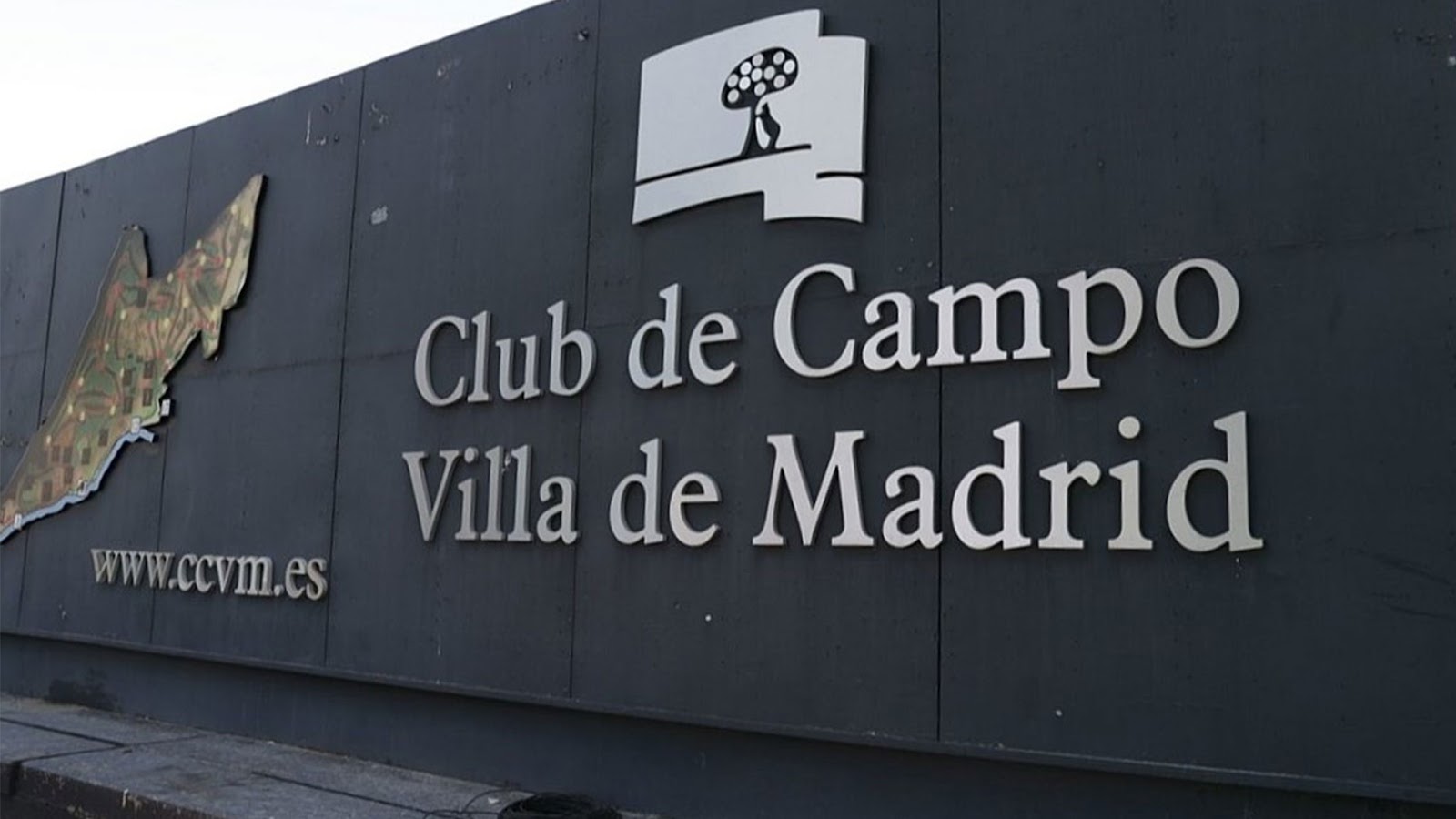
Club de Campo Villa de Madrid
The Negro championship course at Club de Campo Villa de Madrid was opened in 1956 to a Javier Arana routing, the finest Spanish architect of his era. A par 71 of about 6,374 meters on rolling ground just northwest of the city, it has staged the Open de Espana time and again and remains Madrid's classic championship round.
Photo: Club de Campo Villa de Madrid via Google.
The verdict
Club de Campo Villa de Madrid is the capital's grand municipal sports estate, and at its heart sits one of the great Javier Arana parklands. The Negro, or Black, championship course opened in 1956 and reads like a roll call of Arana's virtues: a natural routing over rolling terrain, generous yet strategic driving lines, and green complexes that reward the approach played from the proper angle.
A par 71 of about 6,374 meters, it has hosted the Open de Espana on numerous occasions and stood up to the best players in the world, yet it sits only minutes from central Madrid and welcomes visiting golfers. For a traveling golfer pairing world class museums and dining with a serious round, it is the obvious anchor. See our best of Spain ranking for where it sits among the country's finest, and the nearby private giant at Real Club de la Puerta de Hierro for context.
Club de Campo Villa de Madrid at a glance
- Course opened
- 1956
- Designer
- Javier Arana
- Type
- Rolling parkland
- Par
- 71
- Yardage
- About 6,374 m
- Green fee
- Visitor fees apply
Designer, year and par verified June 2026 from the club and course databases. The Negro championship course, designed by Javier Arana, opened in 1956, a par 71 of about 6,374 meters, and a regular Open de Espana host. The club is a municipal complex that accepts visitor green fees, generally midweek; rates vary by day and season in 2026. Indicative only; always confirm access and the current rate directly before booking.
The holes worth the trip
The Negro is Arana at his most assured, a course grown from rolling, tree lined land rather than imposed on it. Width off the tee is offered, but the right side of the fairway, the angle into the green, is always the question, and a loose drive leaves a long game player fighting the contours rather than using them.
Mature trees frame the corridors and the ground tilts and falls in ways that ask the player to shape the ball and judge the run. The par 71 stays varied through the bag, with par 3s that demand a crisp strike and two shotters that bend just enough to reward the bold line. It is a championship test that has held up to Open de Espana fields without ever feeling tricked up.
Then there is the setting: a vast green estate inside the Madrid ring, walkable, classic and entirely at odds with the city beyond the trees. Golf in the morning and the Prado or a long lunch by night is the formula, and few capital cities deliver a course of this pedigree so close to the center.
How to get on
| What to know | Detail |
|---|---|
| Access | Municipal sports club; the Negro championship course accepts visitor green fees, generally midweek and by prior arrangement |
| Green fee | Visitor rate varies by day and season in 2026; confirm the current championship course fee with the club when booking |
| Booking | Reserve a tee time in advance; a trip specialist can help secure championship course access and timing |
| On the day | Walkable parkland with the easy Arana flow; a smart golf dress code applies |
| Getting there | Carretera de Castilla, northwest of central Madrid, a short drive or taxi from the city center |
| Best months | April to June and September to October for warm, settled play; high summer is hot in Madrid |
Access arrangements verified June 2026; the complex has several layouts, so confirm you are booked on the Negro championship course and check the current visitor rate directly with the club or your trip planner before planning a visit.
Where to stay nearby
Central Madrid is the base, fifteen to twenty minutes from the course, with a deep bench of hotels from the grand classics around the Paseo del Prado to design led boltholes in Chamberi and Salamanca. Golf by day and the world's great art, tapas and nightlife by night is the appeal here, with two airports an easy reach.
For a golf focused week, Madrid pairs the Negro course with the private parklands at La Moraleja and Puerta de Hierro where access can be arranged, making the capital a genuine short break for the traveling golfer.
Looking for a base? See our recommended hotels and resorts near Club de Campo Villa de Madrid.
Build a Madrid golf trip
We arrange tee times at the championship courses, secure access where the members clubs allow and book the city stay around your golf. Tell us roughly when and who is traveling and one concierge costs it to the head, with no obligation.
Club de Campo Villa de Madrid questions
Who designed Club de Campo Villa de Madrid and when did it open?
The Negro championship course was designed by Javier Arana, the leading Spanish architect of his era, and opened in 1956. A later Amarillo course was laid out with input from Seve Ballesteros.
What is the par and length of the Negro course?
The Negro course is a par 71 of about 6,374 meters, a rolling parkland test that has staged the Open de Espana on numerous occasions.
Can visitors play Club de Campo Villa de Madrid?
Yes. The club is a large municipal sports complex and the Negro course accepts visitor green fees, generally midweek and by prior arrangement. Rates vary by day and season in 2026, so confirm directly before booking.
Why does the Negro course matter?
It is one of Javier Arana's classic designs and Madrid's traditional championship venue, a long Open de Espana host within minutes of the city center.
Related
The Tee Sheet
Tee time windows, course access changes and the trips worth taking. Every other week.
Researched and written by the GolfForKings editorial desk. Designer, year and par verified June 2026; access verified June 2026. Last reviewed June 2026.