Kauri Cliffs
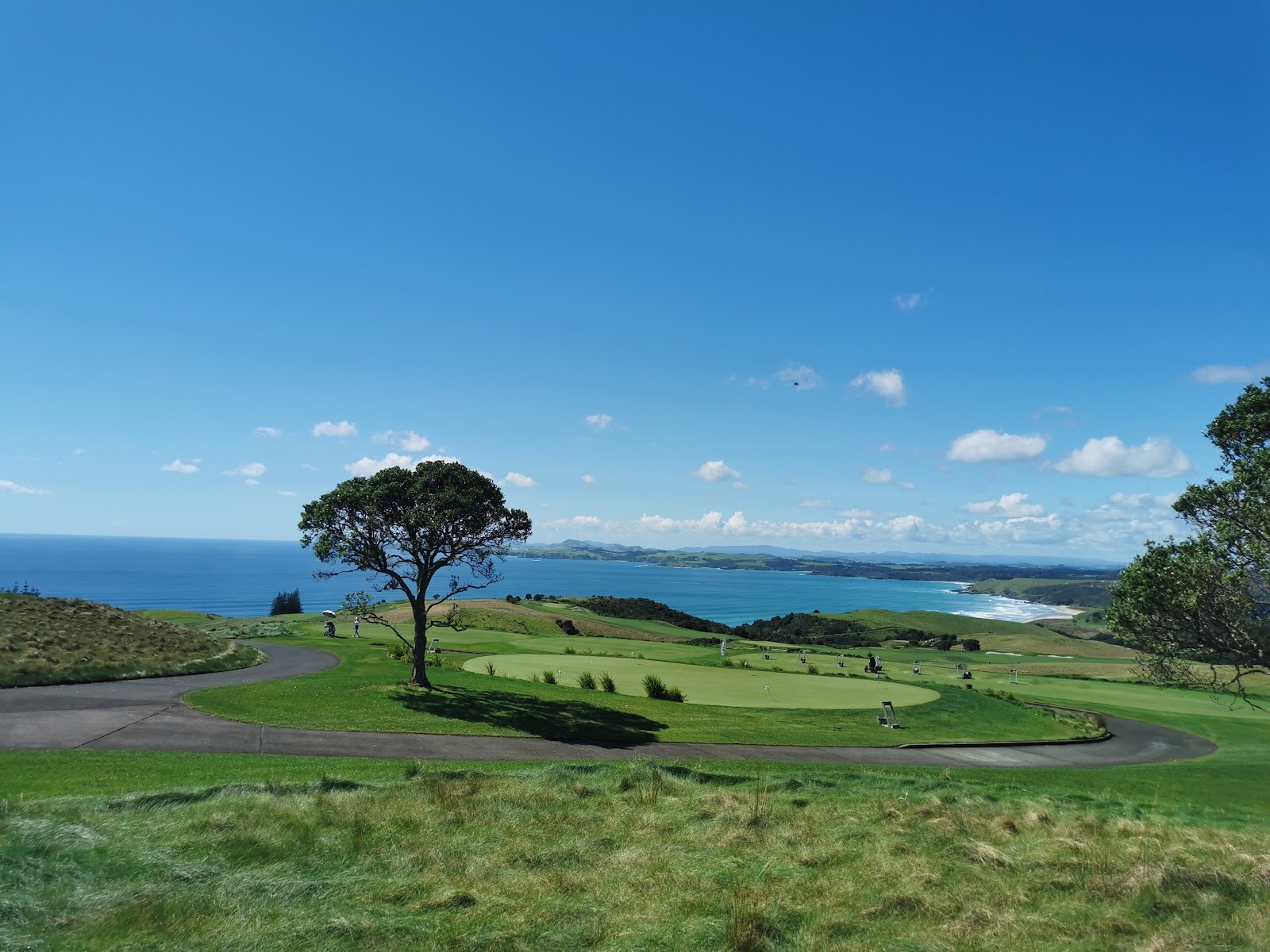
One of the most spectacular clifftop courses on earth, opened in 2000 high above Matauri Bay in the far north of New Zealand. David Harman routed fifteen holes within sight of the Pacific, six of them along cliffs that plunge to the sea, and paired them with a lodge that turns a round here into a bucket list pilgrimage.
Photo: Kauri Cliffs Golf Course via Google.
The verdict
Kauri Cliffs opened in 2000 to a design by the American architect David Harman, who spent two years carving a par 72 of around 7,119 yards out of the headlands above Matauri Bay in Northland. Fifteen of its holes command the Pacific Ocean and six are played along cliffs that drop to the surf, which makes it one of the great visual experiences in golf. It is the kind of course that justifies the long journey to the top of New Zealand all on its own.
Behind the views is a genuine test. The wind off the ocean is the chief defence, swinging the right club two or three either way, and Harman has framed wide, rolling fairways with native bush and bold greens that ask for control. For the travelling golfer it is the headline of a New Zealand golf trip, ideally paired with its Robertson Lodges sister Cape Kidnappers, and a stay at the lodge above the eighteenth makes it a place you never want to leave.
Kauri Cliffs at a glance
- Opened
- 2000
- Designer
- David Harman
- Type
- Clifftop coastal
- Par
- 72
- Yardage
- Around 7,119 yds
- Green fee
- Around NZ$370 to NZ$739
Designer, opening year, par and yardage verified June 2026 from the lodge and leading course databases; David Harman designed the course and it opened in 2000, playing to around 7,119 yards as a par 72, with fifteen holes overlooking the Pacific. Green fees are indicative for 2026 and strongly seasonal, from around 370 New Zealand dollars in the June to August low season to about 739 dollars at the November to March peak for international players, with lodge guests receiving a discount. Fees change by season and year, so always confirm directly before booking.
The holes worth the trip
The front nine works through farmland and native bush before the ocean reveals itself, building toward the headland holes where the cliffs and the surf take over. By the turn the scale of the place has fully landed.
The signature stretch runs along the cliff tops, where holes such as the par 3 seventh and the closing run play to greens perched above a sheer drop to Matauri Bay and the Cavalli Islands. The wind makes club selection a guess and the view makes the score almost beside the point.
Harman keeps the fairways generous so the everyday golfer can enjoy the round, then defends with the breeze, bold green contours and the simple intimidation of the cliffs. It is a course that thrills more than it punishes, which is exactly what a place this beautiful should do.
How to get on
| What to know | Detail |
|---|---|
| Access | Open to visitors and lodge guests; tee times by reservation |
| Green fee | From around 370 NZ dollars in low season to about 739 dollars at peak (indicative, 2026); lodge guests receive a discount |
| Booking | Reserve ahead, especially in the high season; pair with a lodge stay or a Cape Kidnappers round |
| On the day | Carts and caddies available; smart golf dress |
| Getting there | Above Matauri Bay in Northland, around three and a half hours by road north of Auckland, or a short flight to Kerikeri |
| Best months | November to April for the warmest weather, though the course plays year round |
Access and indicative green fees verified June 2026; rates are strongly seasonal and change without notice, so always confirm directly before booking with the lodge or your trip planner. Check tee time availability.
Where to stay nearby
The obvious base is the Rosewood Kauri Cliffs lodge itself, set on the ridge above the course with suites and cottages looking out over the Pacific and stay and play rates that bundle the golf. It is one of the great golf hotels anywhere.
For a broader trip the Bay of Islands lies a short drive away, with sailing, beaches and the historic town of Russell, while Cape Kidnappers, the sister course on the North Island's east coast, completes a once in a lifetime New Zealand golf pairing.
Looking for a base? See our recommended hotels and resorts near Kauri Cliffs and the Bay of Islands.
Build a New Zealand golf trip
We pair Kauri Cliffs with Cape Kidnappers and the best of New Zealand, sort the lodges, flights and transfers and time it to the season. Tell us roughly when and who is travelling and one concierge costs it to the head, with no obligation.
Kauri Cliffs questions
Who designed Kauri Cliffs and when did it open?
Kauri Cliffs was designed by the American architect David Harman and opened in 2000 on the cliffs above Matauri Bay in Northland, New Zealand.
What is the par and length of Kauri Cliffs?
It is a par 72 of around 7,119 yards from the back tees, with fifteen holes overlooking the Pacific Ocean and six played along cliffs that drop to the sea.
How much does it cost to play Kauri Cliffs?
Indicative 2026 green fees are strongly seasonal, from around 370 New Zealand dollars in the June to August low season to about 739 dollars at the November to March peak for international players, with a discount for lodge guests. Fees change by season and year, so always confirm directly before booking.
How do I get to Kauri Cliffs?
It sits above Matauri Bay in Northland, around three and a half hours by road north of Auckland, or a short flight to Kerikeri followed by a drive. It pairs naturally with a stay at the lodge and a round at Cape Kidnappers.
Related
The Tee Sheet
Tee time windows, course access changes and the trips worth taking. Every other week.
Researched and written by the GolfForKings editorial desk. Designer, opening year, par and yardage verified June 2026; indicative green fees verified June 2026. Last reviewed June 2026.