The Best Golf Courses Designed by Pete Dye
No architect has staged more drama than Pete Dye, the master of the railroad tie, the island green and the visual terror off the tee. His courses have hosted Ryder Cups, majors and The Players, and most of the greatest are open to visitors. We rank his eight finest, with the verdict on each, the championship pedigree and indicative 2026 green fees.
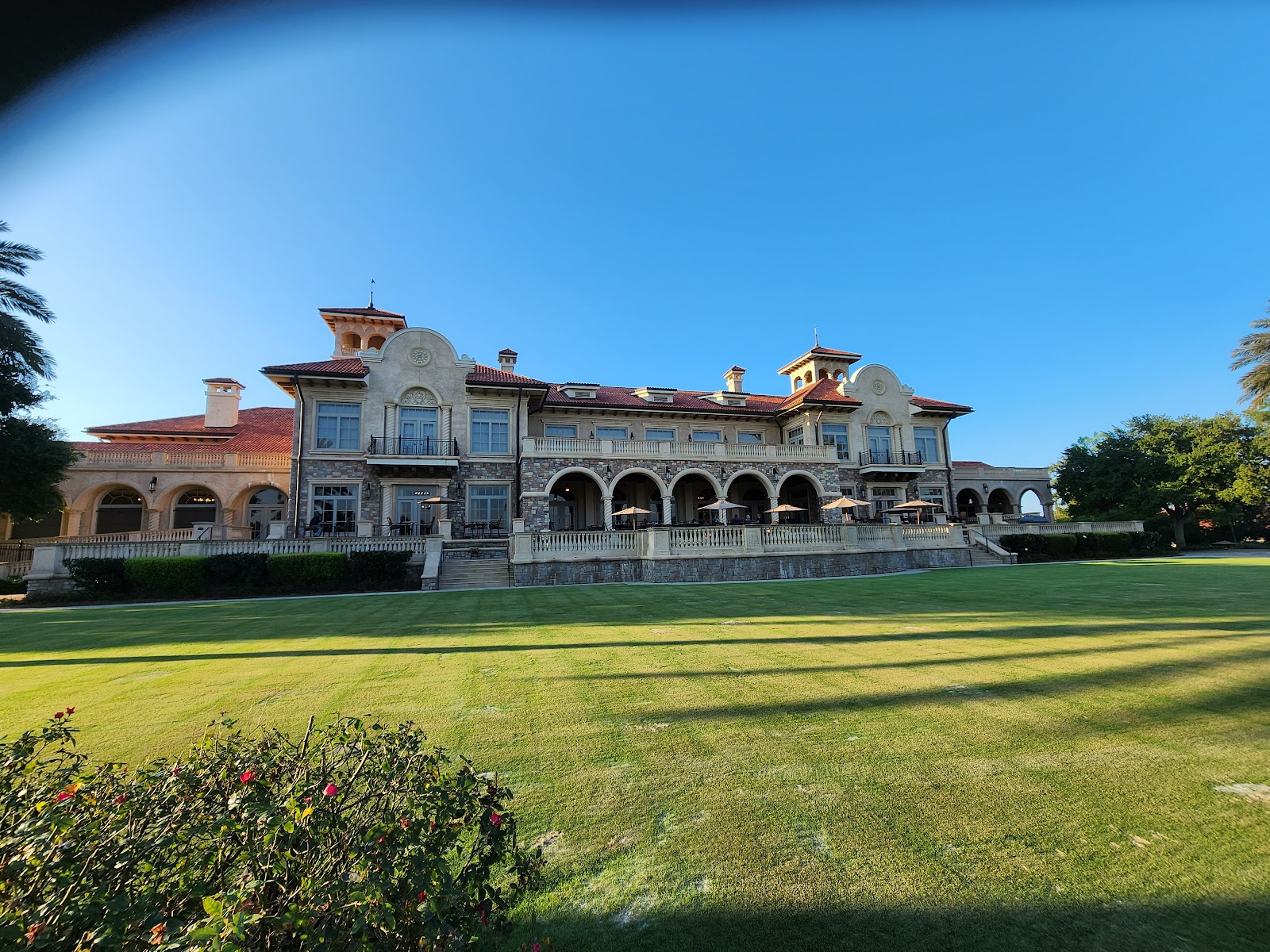
Photograph: TPC Sawgrass, Urania Wynperle, via Google
How we ranked them
Pete Dye, who died in 2020, was the most influential American course architect of the modern era, the man who reintroduced the deception, the angles and the railroad ties of old links to a country that had grown used to soft, fair parkland. His courses are theatrical and intimidating by design, demanding nerve as much as ball striking, and they have proven themselves on the biggest stages in golf. We weight the quality and originality of the design, the championship record and the experience of playing it, and we have leaned toward the courses most travellers can actually book. The good news is that the very best of Dye, unlike many architects, is largely public.
The ranking
TPC Sawgrass, Players Stadium Course
The most famous Dye design and the first true stadium course, opened in 1980 and home of The Players Championship. The island green 17th is the single most recognisable hole in golf, but the whole layout is a masterclass in intimidation and angles through Florida wetland. A genuine resort experience attached to a five star hotel, and the one Dye course every travelling golfer wants to tick off.
Indicative 2026 green fee around $550 to $700. Always confirm directly before booking.The Ocean Course, Kiawah Island
Built for the 1991 Ryder Cup and since the stage for two US PGA Championships, the Ocean Course has more seaside holes than any course in the northern hemisphere and a fearsome reputation in the wind. Brutal, beautiful and exposed along the Atlantic, it is regularly rated the toughest resort course in America. A bucket list test, walking with a forecaddie strongly advised.
Indicative 2026 green fee around $500 to $650. Always confirm directly before booking.Whistling Straits, Straits Course
An artificial Irish links conjured from a flat lakeside site on the shore of Lake Michigan, with hundreds of bunkers, roaming sheep and tumbling fescue. Opened in 1998, it has hosted three US PGA Championships and the 2021 Ryder Cup. Vast, windswept and wholly convincing as a links, it is the most ambitious piece of construction in American golf and a thrilling, walking only round.
Indicative 2026 green fee around $450 to $600. Always confirm directly before booking.Teeth of the Dog, Casa de Campo
Dye's tropical masterpiece and the best course in the Caribbean, with seven holes running hard along the rocks and surf of the Caribbean Sea. Hand built in 1971 by local labour, it set the template for the destination resort course and remains a bucket list round, paired with one of the region's grandest resorts. The most beautiful Dye design, and a touch more playable than the championship monsters above it.
Indicative 2026 green fee around $300 to $450 for resort guests. Always confirm directly before booking.Harbour Town Golf Links
The course that made Dye's name, a low country gem at Sea Pines designed in 1969 with a young Jack Nicklaus consulting, and host of the PGA Tour's RBC Heritage every spring. Tight, tree lined and strategic rather than long, it rewards precision and finishes at the iconic lighthouse 18th along Calibogue Sound. Proof that a Dye course can charm as well as terrify, and very playable for most handicaps.
Indicative 2026 green fee around $350 to $500. Always confirm directly before booking.The Honors Course
A quiet Dye masterpiece and a perennial top one hundred course, built in 1983 in the Tennessee countryside to celebrate amateur golf and routed beautifully through woodland, water and native grasses. It has hosted US Amateurs and Curtis Cups and is revered by architecture enthusiasts. The one caveat is access, it is a private members club with no public play, so it sits here on pure design merit.
Private members club. Not open to visitors.Crooked Stick Golf Club
Dye's home club and one of his earliest great works, built in 1964 near Indianapolis and the place he refined many of his signature ideas. It hosted the 1991 US PGA, where an unknown John Daly won, and has staged Solheim Cups and BMW Championships since. A historically important, championship tested layout, and like The Honors a private club, included for its design and its record rather than its bookability.
Private members club. Not open to visitors.PGA West, Stadium Course
The most ferocious resort course in the California desert, a 1986 Dye design so hard it was briefly dropped from the PGA Tour rotation before returning to host The American Express. Island greens, vast bunkers and a notorious par 3 17th called Alcatraz make it a genuine examination, set against the Santa Rosa mountains. A bucket list test for the strong player on a Palm Springs golf trip.
Indicative 2026 green fee around $300 to $450. Always confirm directly before booking.Designers, opening years and championship history verified June 2026. Green fees are indicative third party figures for the 2026 peak season, shown to set expectations only. We are a guide, not an operator, and never quote our own pricing. The Honors Course and Crooked Stick are private. Always confirm access and fees directly before booking.
Check tee time availability Best courses in the United States
Indicative green fees at a glance
| Course | Indicative 2026 fee | Access |
|---|---|---|
| TPC Sawgrass, Stadium | Around $550 to $700 | Resort and public |
| The Ocean Course, Kiawah | Around $500 to $650 | Resort and public |
| Whistling Straits, Straits | Around $450 to $600 | Resort and public |
| Teeth of the Dog | Around $300 to $450 | Resort guests |
| Harbour Town Golf Links | Around $350 to $500 | Resort and public |
Indicative third party figures for the 2026 peak season, shown to set expectations only. Off peak and resort guest rates are lower. Always confirm directly before booking.
Plan a Pete Dye golf trip
Tell us the courses you want and roughly when. One concierge costs the whole trip to the head and replies within one working day, with no obligation.
Pete Dye golf questions
What is the best Pete Dye golf course?
The Players Stadium Course at TPC Sawgrass, home of the island green 17th and The Players Championship, is the most famous and most widely rated Pete Dye design. The Ocean Course at Kiawah Island and Whistling Straits, both Ryder Cup and major venues, run it close.
Which Pete Dye courses can the public play?
Most of his greatest are resort or public access, including TPC Sawgrass, the Kiawah Ocean Course, Whistling Straits, Teeth of the Dog, Harbour Town and PGA West Stadium. The Honors Course and Crooked Stick are private members clubs. Always confirm directly before booking.
How much does it cost to play a Pete Dye course in 2026?
Indicative peak season green fees on the public Pete Dye flagships run roughly 300 to 700 US dollars in 2026, with TPC Sawgrass, the Kiawah Ocean Course and Whistling Straits at the top end. Off peak and resort guest rates are lower. Prices change, so always confirm directly before booking.
Related
The Tee Sheet
The great architects, the courses worth travelling for and the trips worth taking. Every other week.