Japan vs South Korea for Golf: Which Trip Wins?
One has the deepest bench of classic courses in Asia and weekday rounds from 7,000 yen. The other has the region's most spectacular modern builds behind some of its most exclusive gates. Here is the honest comparison.
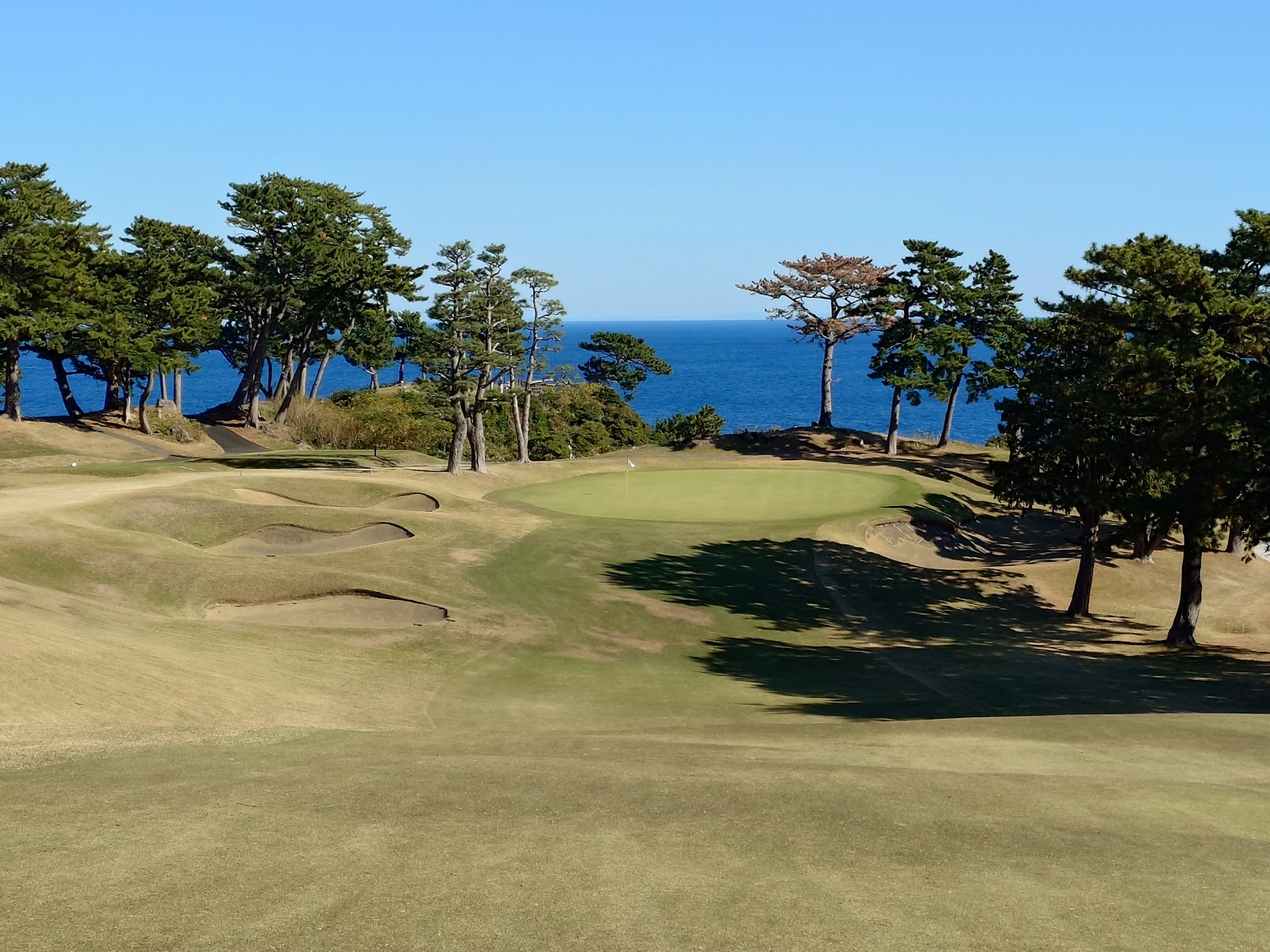
Photo: ken (kenpapa) via Google.
The verdict
For most traveling golfers, Japan wins. It has the history, C.H. Alison's 1930s masterworks at Hirono, Naruo and Kawana, the volume, more than 2,000 courses, and the value: an ordinary weekday round costs 7,000 to 12,000 yen with a cart and lunch included. Crucially, its single best bookable experience, the Fuji Course at Kawana, opens to anyone who stays at the Kawana Hotel. Add Tokyo and Kyoto either side of the golf and the trip sells itself.
South Korea is the connoisseur's counterpunch. Nine Bridges on Jeju and Kyle Phillips' South Cape Owners Club on the South Sea are as dramatic as modern golf gets, and Korean club culture, immaculate service, caddies on every group, is an experience in itself. But the top tier is genuinely exclusive, memberships can run past a million dollars, costs per round land higher once caddie and cart fees are split, and access takes planning. Go to Japan first; go to Korea when South Cape makes your bucket list.
Head to head
| Factor | Japan | South Korea |
|---|---|---|
| Marquee courses | Kawana Fuji, Alison 1936, bookable with a hotel stay; Hirono and Naruo private via operators; 2,000+ courses nationwide | Nine Bridges, Golfplan 2001, limited non member access; South Cape Owners Club, Kyle Phillips, sea views on every hole |
| Typical cost per round | 7,000 to 12,000 yen weekdays with cart, often lunch; 18,000 to 35,000 yen and up weekends; caddie adds 3,000 to 5,000 yen | Jeju resort golf from about 140 dollars per person; caddie about 150,000 won per group and cart about 100,000 won, shared |
| Access for visitors | Wide; the booking hurdle is language, solved by a concierge, operator or resort stay | Narrower; elite clubs are member worlds, so build around resort courses on Jeju and the South Sea coast |
| Culture of the day | All day ritual: most courses require a sit down lunch between nines; bathhouse after | Faster rounds, but foursomes are the norm and caddies and carts are effectively mandatory at most clubs |
| Getting there and around | Tokyo or Osaka hubs; trains world class, but golf needs a car or transfers | Seoul hub, one hour flight to Jeju; course transfers usually arranged with the stay |
| Best season | April to May and October to November; avoid the June rains and August heat | May to June and September to October; Jeju winters are mild but breezy |
Figures are indicative for 2026 and were verified at the time of writing from club, resort and published sources. Always confirm directly before booking. Book tee times: [TEE_TIME_AFFILIATE_LINK]
Who picks which
Pick Japan if you want depth, history and value in one trip: a Kawana stay for the Fuji Course, two or three Tokyo area classics arranged through an operator, and the culture of the all day golf ritual, lunch, bathhouse and all. It is also the easier trip to pair with non golfing partners, since the cities carry the itinerary between rounds.
Pick South Korea if modern architecture is the draw and exclusivity is part of the appeal: a South Cape stay is one of the great golf travel experiences in Asia, and Jeju stacks volcanic coastline courses around it. Couples who want one spectacular base rather than a moving tour will be happiest here. Whichever way you lean, both pair well with our wider golf and beach rankings and the Dubai vs Turkey comparison for a different kind of long haul.
Plan a Japan or South Korea golf trip
We arrange the Kawana stay, the operator only doors and the South Cape itinerary, and route the cities around the golf. Tell us when and who is traveling and one concierge costs it to the head, with no obligation.
Japan vs South Korea questions
Is golf cheaper in Japan or South Korea?
Japan, clearly. A typical weekday round runs 7,000 to 12,000 yen including cart and often lunch, with weekends at 18,000 to 35,000 yen and up. In Korea, Jeju resort golf starts around 140 dollars per person before a shared caddie fee of roughly 150,000 won per group and a cart around 100,000 won. Always confirm directly before booking.
Can visitors play Hirono or Kawana in Japan?
Kawana's Fuji Course, the C.H. Alison design of 1936, is open to guests staying at the Kawana Hotel, which makes it the most accessible of Japan's elite courses. Hirono and Naruo are private; access is generally through a member or a specialist golf tour operator.
Can visitors play Nine Bridges or South Cape in Korea?
Nine Bridges on Jeju offers only limited access for non members, and top Korean memberships can exceed a million dollars. South Cape Owners Club, the Kyle Phillips design on the South Sea coast, is the marquee round most traveling golfers target, typically arranged with a stay. Book well ahead through the resort or an operator.
What golf culture differences should I expect?
In Japan, golf is an all day ritual: most courses require a sit down lunch between nines, caddies add 3,000 to 5,000 yen and English bookings can be difficult without a hotel concierge or operator. Korea runs faster but caddies and carts are near universal and effectively mandatory at most clubs, and groups of four are the norm.
Related
The Tee Sheet
Tee time windows, course access changes and the trips worth taking. Every other week.
Researched and written by the GolfForKings editorial desk. Access rules and indicative costs verified June 2026 from club, resort and published sources. Last reviewed June 2026.