Royal West Norfolk: 2026 Access and Booking Update
On a thin strip of land between the beach and the marsh on the North Norfolk coast, Brancaster is one of the most atmospheric links in England, a par 71 that the highest tides can briefly turn into an island. Here is where Royal West Norfolk stands in 2026, and how to plan a round.
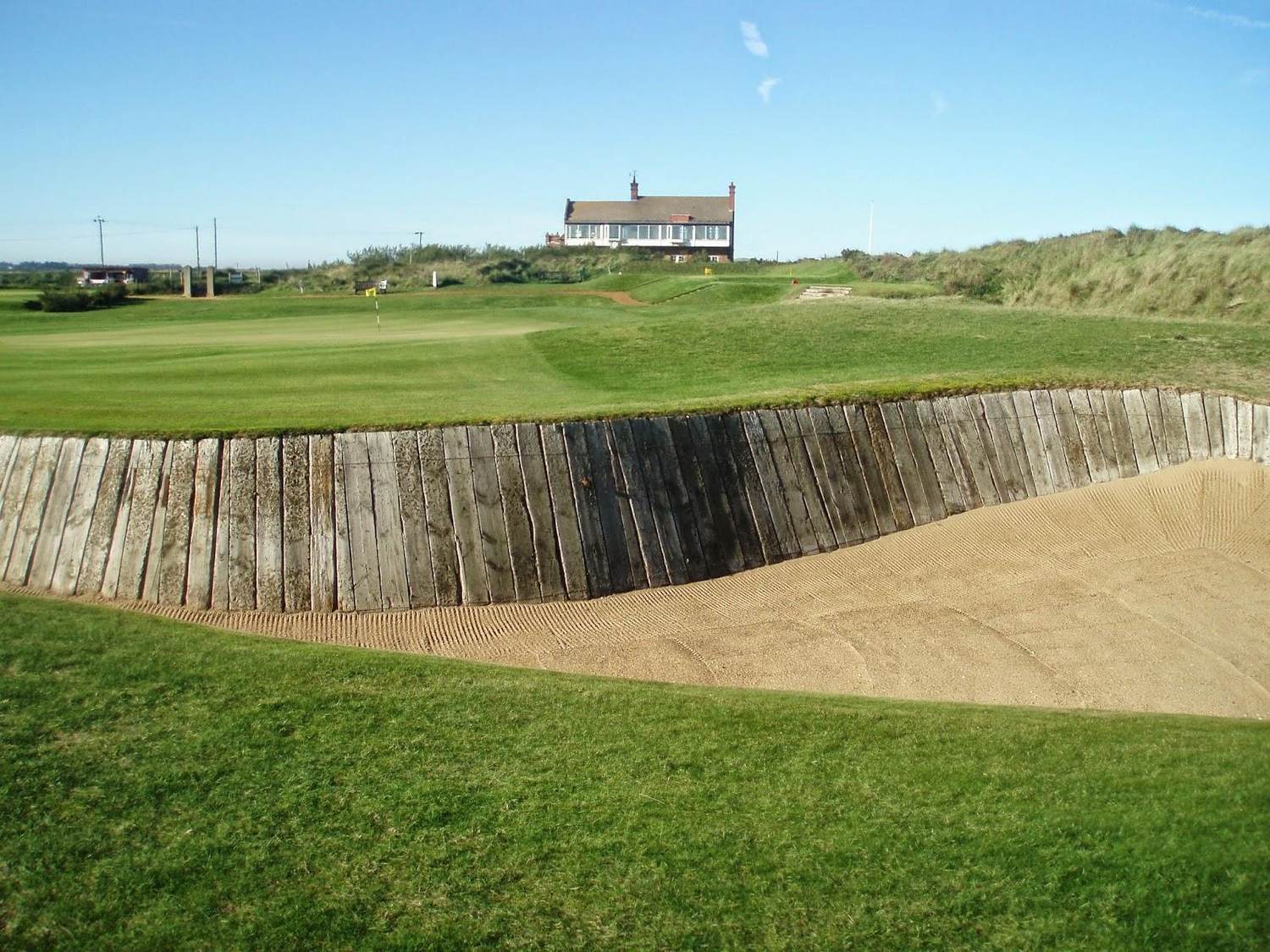
Photo: Royal West Norfolk Golf Club via Google.
The news: a tidal links out of time
Royal West Norfolk, known to almost everyone simply as Brancaster, was established in 1892 and has changed remarkably little since. It is a par 71 of about 6,457 yards laid out on a narrow parcel of links land wedged between the sandy beach on one side and acres of tidal saltmarsh on the other, a single ridge of dunes its only shelter from the sea. Famous for its timber faced sleepered bunkers and its unhurried, old fashioned charm, it is widely held to be among the most evocative links in England.
The headline for 2026 is that almost nothing has changed, and that is the point. The marsh, the tide and the sleepers keep Brancaster honest, a course that resists modernisation and rewards the golfer who comes for the experience as much as the scorecard. Its standing among connoisseurs of links golf is undimmed into another season.
The course, and the access reality
What sets Brancaster apart is its setting and its character. The links runs out along the marsh and back, the sleepered bunkers and raised greens giving the round a stern, traditional feel, and the wind off the North Sea shaping every club selection. It is not long by modern standards, but it does not need to be, the defence is the ground, the breeze and the hazards. For the full design and access detail see the Royal West Norfolk course profile.
The access reality is the most distinctive part of any plan. The approach road can be covered by the highest spring tides, so a visit must be timed around the tide tables as well as the tee sheet. Arrangements are made through the Secretary, the course is for two ball play in singles and foursomes only, and the club does not take visitor reservations at weekends or during the whole of August. For the wider region see the England destination guide and our ranking of the best golf courses in England.
How to play it in 2026
The North Norfolk coast plays best from late spring to early autumn, when the weather is most settled and the links at its firmest, though the well drained ground gives a long season either side. The practical 2026 plan is to contact the club early through the Secretary, choose a midweek date outside August, confirm the tide times for that day, and arrange a foursomes or singles game in keeping with the two ball policy.
Brancaster pairs naturally with neighbouring Hunstanton for a North Norfolk links double, and the area makes a quiet, characterful base away from the busier coasts. Green fees are seasonal and the experience is the value here rather than the price, so treat any quoted figure as indicative for 2026 and always confirm access, tides and fees directly before booking.
Our take
Our take is that Brancaster is one of the great experiences in English golf, a links that has refused to change and is all the better for it. The marsh, the sleepers and the tide make it a course you plan a trip around rather than slot into one, and the reward is golf as it was a century ago, played in one of the most beautiful corners of the coast.
For 2026 the advice is all about planning. Book early through the Secretary, avoid August and weekends, check the tide tables, and embrace the foursomes format. Do that and you play one of England's most special links exactly as it was meant to be played, then pair it with Hunstanton next door for a perfect North Norfolk pilgrimage.
Plan your North Norfolk links golf trip
From the tidal links at Brancaster to neighbouring Hunstanton and the wider East of England, tell us roughly when and who is travelling and one concierge arranges access and builds the trip, with no obligation.
Questions
What kind of course is Royal West Norfolk?
Royal West Norfolk, known to most simply as Brancaster, is a classic tidal links established in 1892, a par 71 of about 6,457 yards laid out on a thin strip of land between the beach and a tidal saltmarsh on the North Norfolk coast. It is famous for its timber faced sleepered bunkers and its timeless, unhurried character, and is widely regarded as one of the most atmospheric links in England.
Does the course really get cut off by the tide?
Yes. The links sits between the sea and the marsh, and the approach road can be covered by the highest spring tides, effectively turning the course into an island for a time. Any visit must be planned around the tide tables as well as the tee sheet, and the club can advise on safe access times for the day you intend to play.
Can visitors play Brancaster in 2026?
Visitor play is possible but governed by old fashioned rules: arrangements are made through the Secretary, the course is for two ball play, singles and foursomes only, and the club does not take visitor reservations at weekends or during the month of August. Plan around the tides and favour a midweek date. Green fees are seasonal, so treat any figure as indicative for 2026 and always confirm access and fees directly before booking.
Related
The Tee Sheet
Tee time windows, course access changes and the trips worth taking. Every other week.
Researched and written by the GolfForKings editorial desk. Course facts, design history and access verified June 2026 from club, ranking panel and golf travel sources; conditions, tides, access and green fees change, so always confirm directly before booking. Last reviewed June 2026.