Highlands Links: 2026 Update
Stanley Thompson's 1941 routing between mountain and sea at Ingonish remains the most quietly revered course in Canada. Here is where Highlands Links stands in 2026, the work to bring back Thompson's bunkers, and how to play it on a Cape Breton trip.
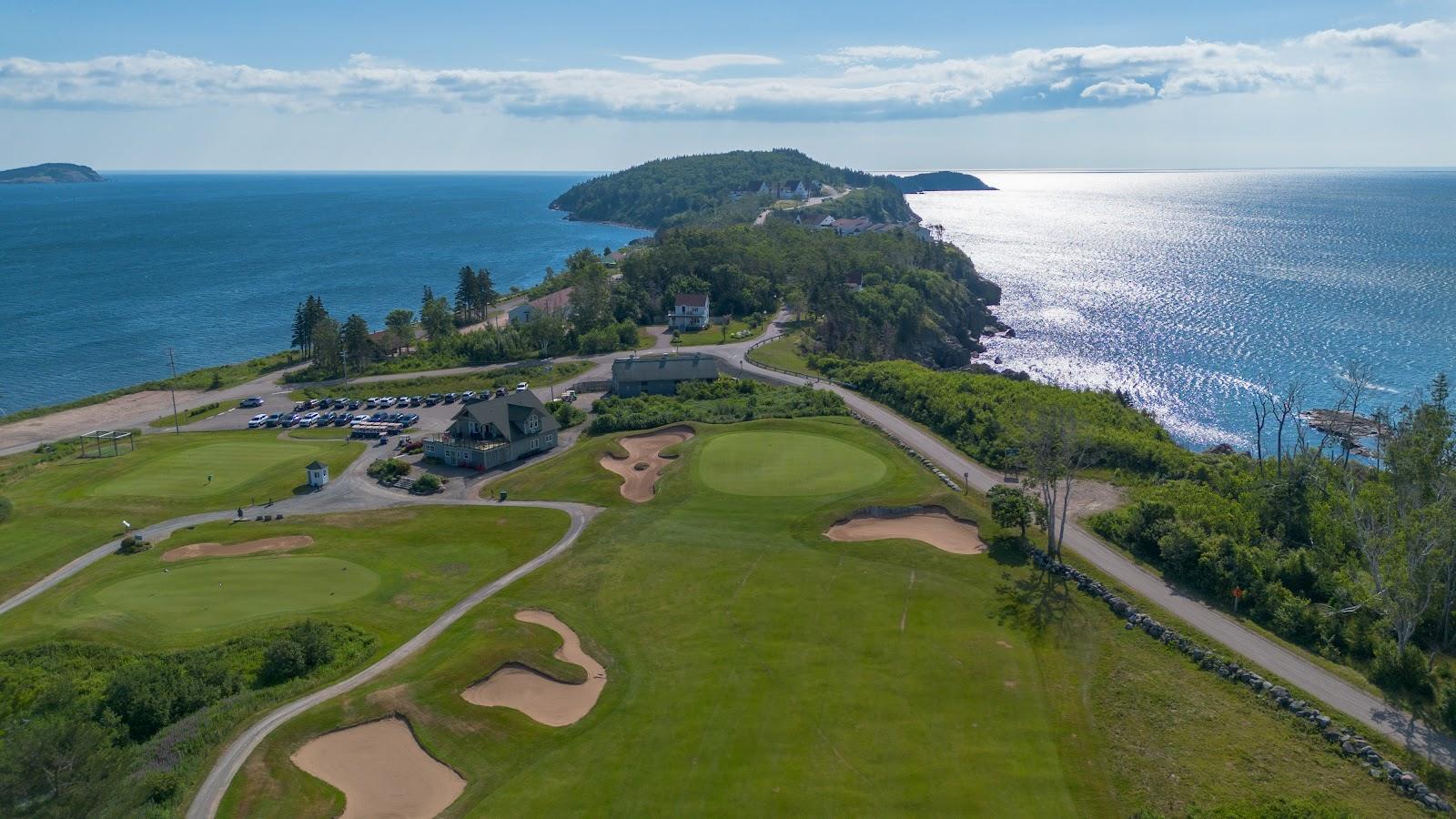
Photo: Cape Breton Highlands Links via Google.
The news: a Thompson original, brought back toward 1941
Highlands Links opened in 1941 at Ingonish Beach on the east coast of Cape Breton Island, built as a Depression era works project and laid out by Stanley Thompson on a stretch of ground that runs from the Atlantic shore back into the river valleys of what is now Cape Breton Highlands National Park. Eighty five years on it is still regarded by many as the finest course Thompson ever built and one of the great public golf experiences anywhere.
The story into 2026 is restoration rather than reinvention. Canadian architect Ian Andrew has been engaged to return the course toward Thompson's original design intent, with particular care given to the bunkering for which Thompson was famous, the bold, large scale hazards that decades of small changes had softened. The goal is a course that once again reads the way Thompson drew it, on a par 72 of roughly 6,600 yards that needs no extra length to defend itself.
The course, and the land it sits on
Thompson called Highlands Links his "mountains and ocean" course, and the routing earns the phrase: the early holes hug the shoreline and the salmon rivers before the round climbs inland through forest and over high ground, then returns to the sea. The walk between several holes is long, the scenery is among the most dramatic in the game, and the greens and bunkering carry Thompson's signature flair throughout.
It is best understood as the headline round of a Nova Scotia golf trip rather than a course played in isolation. The obvious pairing is the modern pair at the other end of the island, the Coore and Crenshaw Cabot Cliffs and the Rod Whitman Cabot Links at Inverness, which together with Highlands Links give Cape Breton a claim to be the most complete golf island in the country. See the full Highlands Links course profile for the hole by hole detail.
How to play it in 2026
Highlands Links sits inside a national park and is operated on behalf of Parks Canada, which means the green fee includes a Parks Canada pass, a quirk that visitors enjoy. The Nova Scotia season runs from late spring to mid autumn, with high summer and the early fall color the prime window, when the maritime climate is at its kindest and the course at its best. Tee times in that window go quickly, so book well ahead.
The natural base is the adjacent Keltic Lodge, perched above the course with Atlantic views, which makes a stay and play the simplest way to organize the round. From there the smart 2026 itinerary adds the Cabot courses at Inverness for a two base Cape Breton tour. Green fees move with season and package and should be treated as indicative for the 2026 season; always confirm directly before booking. For the wider picture, see our ranked guide to the best golf courses in Canada.
Our take
Our take is that Highlands Links is one of the genuine pilgrimages in golf, a course whose architecture, setting and history reward the effort of getting to a remote corner of Atlantic Canada. The restoration work only strengthens the case: a more faithful Thompson layout is a more thrilling one, and the bunkering is central to how the course is meant to play.
For 2026 the advice is to treat Highlands Links as the anchor of a Cape Breton week rather than a side trip, give yourself two rounds if you can, and pair it with Cabot. Few places combine this quality of golf with this scale of landscape, and the island repays every hour spent reaching it.
Plan your Cape Breton and Nova Scotia golf trip
From Highlands Links at Ingonish to Cabot Links and Cabot Cliffs at Inverness, tell us roughly when and who is travelling and one concierge builds and costs the trip, working the right channels, with no obligation.
Questions
Who designed Highlands Links and when did it open?
Highlands Links at Ingonish Beach in Cape Breton, Nova Scotia, was designed by the great Canadian architect Stanley Thompson and opened in 1941, built as a federal works project during the Depression years. It is a par 72 of roughly 6,600 yards routed between mountain and sea inside Cape Breton Highlands National Park, and is widely held to be Thompson's finest work.
What is the news at Highlands Links for 2026?
The ongoing story is restoration. Canadian architect Ian Andrew has worked to return the course to Stanley Thompson's original design intent, with particular attention to the bunkering for which Thompson was famous. The aim is to recover the scale and shaping of the 1941 layout so the course reads as Thompson built it rather than as decades of small changes left it.
How do you play Highlands Links in 2026?
Highlands Links sits in a national park and is operated for Parks Canada, so the green fee includes a Parks Canada pass. The Nova Scotia season runs roughly late spring to mid autumn, with summer and early fall the prime window. Most visitors stay at the adjacent Keltic Lodge and pair the round with Cabot Links and Cabot Cliffs on the same island. Green fees are indicative and move with season; always confirm directly before booking.
Related
The Tee Sheet
Tee time windows, course access changes and the trips worth taking. Every other week.
Researched and written by the GolfForKings editorial desk. Course facts, design credits and restoration details verified June 2026 from club, national park and golf travel sources; Highlands Links was designed by Stanley Thompson and opened in 1941, with restoration work led by Ian Andrew. Conditions, access and green fees change, so always confirm directly before booking. Last reviewed June 2026.