Kiawah Ocean Course Green Fees and Tee Times
The Ocean Course at Kiawah Island is Pete Dye's windswept masterpiece, the stage for the 1991 Ryder Cup and two PGA Championships, and one of the most coveted and most expensive public access rounds in America. Here is what it costs to play in 2026, how the caddie and access rules work, and how to secure a tee time on the Atlantic edge of South Carolina.
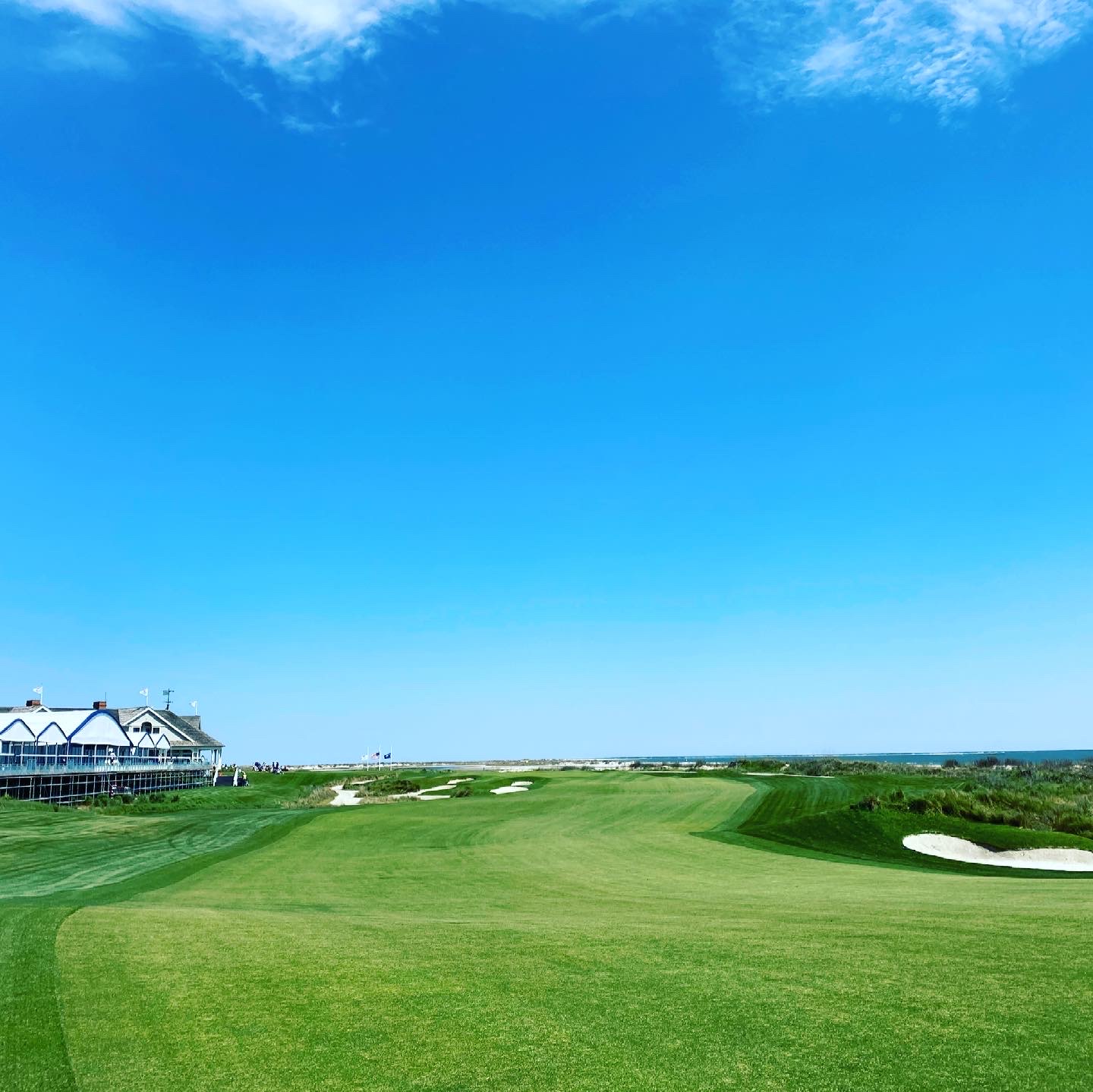
Photo: The Ocean Course at Kiawah Island via Google.
The short answer
The Ocean Course is a premium round, among the dearest public access tee times in the United States, and the fee reflects its status as a major championship venue. For 2026, resort guests pay roughly 500 to 700 dollars per round depending on the season, with the spring and fall peak at the top of that range and summer and winter lower. Non guests pay more again where access is available, which is why a stay and play package, bundling lodging at Kiawah Island Golf Resort with a round, is often the smartest way to play. On top of the green fee, a caddie or walking forecaddie is mandatory, an additional cost with a gratuity expected.
The harder part is access, not just price. Tee times are prioritized for resort guests, and the Ocean Course books up well ahead in the prime seasons, so the dependable plan is to reserve as a guest or package and commit early. Decide whether you want the Ocean Course as a one off bucket list round, or as the centerpiece of a wider Kiawah and Lowcountry golf trip taking in the resort's other Dye, Fazio and Nicklaus courses, then book as far in advance as you can.
Kiawah Ocean Course green fees and access, 2026
| What to know | Detail |
|---|---|
| Resort guest fee | About 500 to 700 dollars per round, varying by season (indicative, 2026) |
| Non guest access | Limited and priced higher again; a stay and play package is usually better value |
| Caddie | Mandatory caddie or walking forecaddie, additional to the green fee, gratuity expected |
| Peak season | Spring and fall are busiest and dearest; summer and winter run lower |
| Booking window | Book well in advance as a resort guest; prime dates go months ahead |
| Designer | Pete Dye, with Alice Dye; opened 1991 |
| The course | Par 72, about 7,356 yards from the back tees, stretching near 7,900 for championships |
| Championships | 1991 Ryder Cup, 2012 and 2021 PGA Championships |
Green fees, caddie policy and access verified indicatively in June 2026 from Kiawah Island Golf Resort and golf travel listings; rates and rules change and vary by season, so always confirm current pricing and availability directly before booking. Check tee time availability.
How to book, step by step
Book the Ocean Course through Kiawah Island Golf Resort, and book as a guest. Tee times are released first to those staying at the resort, so the surest route to a confirmed time is a room or villa booking, or a stay and play package that bundles lodging with the round and often works out better value than the standalone non guest fee. Reserve early, because the prime spring and fall dates are claimed months ahead. Confirm the caddie arrangement when you book, since a caddie or walking forecaddie is mandatory and carries a separate fee and gratuity, and check the cart policy, as walking is encouraged and carts are restricted before a set time in season.
Many visitors pair the Ocean Course with the resort's other layouts, Turtle Point by Jack Nicklaus, Osprey Point and Oak Point by Tom Fazio and Cougar Point by Gary Player, to make a multi day trip rather than a single splurge round. A specialist can hold the Ocean Course time, slot in the supporting rounds and match the accommodation to the golf. Decide whether Kiawah is a one round pilgrimage or the heart of a Lowcountry tour, then build the rest around the Ocean Course time you secure first.
When to go, and what to expect
The Ocean Course plays year round, but spring and fall are the prime windows, with warm, settled weather and the resort at its busiest and most expensive, while summer is hot and humid and winter cooler, quieter and a touch cheaper. The constant, on any day, is the wind: with more seaside holes than any course in the Northern Hemisphere, ten running hard along the Atlantic, the Ocean Course is exposed to a breeze that can swing club selection by several shots and turn a benign round into a brutal one. Expect a par 72 of about 7,356 yards from the back tees, sweeping sandy waste areas in place of conventional bunkers, firm and subtle green complexes, and a closing stretch that ranks among the hardest finishes in American golf. It is a major championship test and, for most who make the trip, the round of a lifetime.
Plan a Kiawah golf trip
We secure the Ocean Course tee time, arrange the mandatory caddie, pair it with the resort's Dye, Fazio and Nicklaus courses and match the lodging to the golf. Tell us roughly when and who is travelling, and one concierge costs it to the head, with no obligation.
Kiawah Ocean Course fee questions
How much does it cost to play the Ocean Course at Kiawah in 2026?
The Ocean Course is one of the most expensive public access rounds in the United States. In 2026, resort guests pay roughly 500 to 700 dollars per round depending on season, and non guests pay more again where access is available. A caddie or forecaddie is mandatory and is an additional cost, with a gratuity expected. Rates are highest in the spring and fall peak and lower in summer and winter. These are indicative figures, so always confirm current pricing directly with Kiawah Island Golf Resort before booking.
Do you have to be a resort guest to play the Ocean Course?
You do not strictly have to stay at the resort, but staying makes booking far easier and cheaper. Tee times are prioritized for guests of Kiawah Island Golf Resort, and a stay and play package that bundles lodging with a round is often better value than the standalone non guest green fee. Limited public tee times can be available, but they are scarce and pricier. The dependable way to secure the Ocean Course is to book it as a resort guest or through a stay and play package well in advance.
Is a caddie required at the Ocean Course?
Yes. The Ocean Course requires a caddie or walking forecaddie for all rounds, and walking is encouraged on this Pete Dye links style layout, with carts restricted before a certain time in season. The caddie fee and gratuity are additional to the green fee. A caddie is genuinely valuable here for reading the wind, the lines off the tee and the subtle, firm green complexes. Always confirm current caddie policy and cost when you book.
What is the Ocean Course famous for?
The Ocean Course was designed by Pete Dye, with Alice Dye, and opened in 1991. It immediately hosted the dramatic 1991 Ryder Cup, the War by the Shore, and has since staged the PGA Championship in 2012 and 2021, won by Rory McIlroy and then by Phil Mickelson, who became the oldest major champion at fifty. A par 72 with more seaside holes than any course in the Northern Hemisphere, it is famed for relentless wind, sweeping sandy waste areas and one of the toughest finishes in American golf.
Related
The Tee Sheet
Tee time windows, course access changes and the trips worth taking. Every other week.
Researched and written by the GolfForKings editorial desk. Course facts and indicative green fees verified June 2026. Last reviewed June 2026.