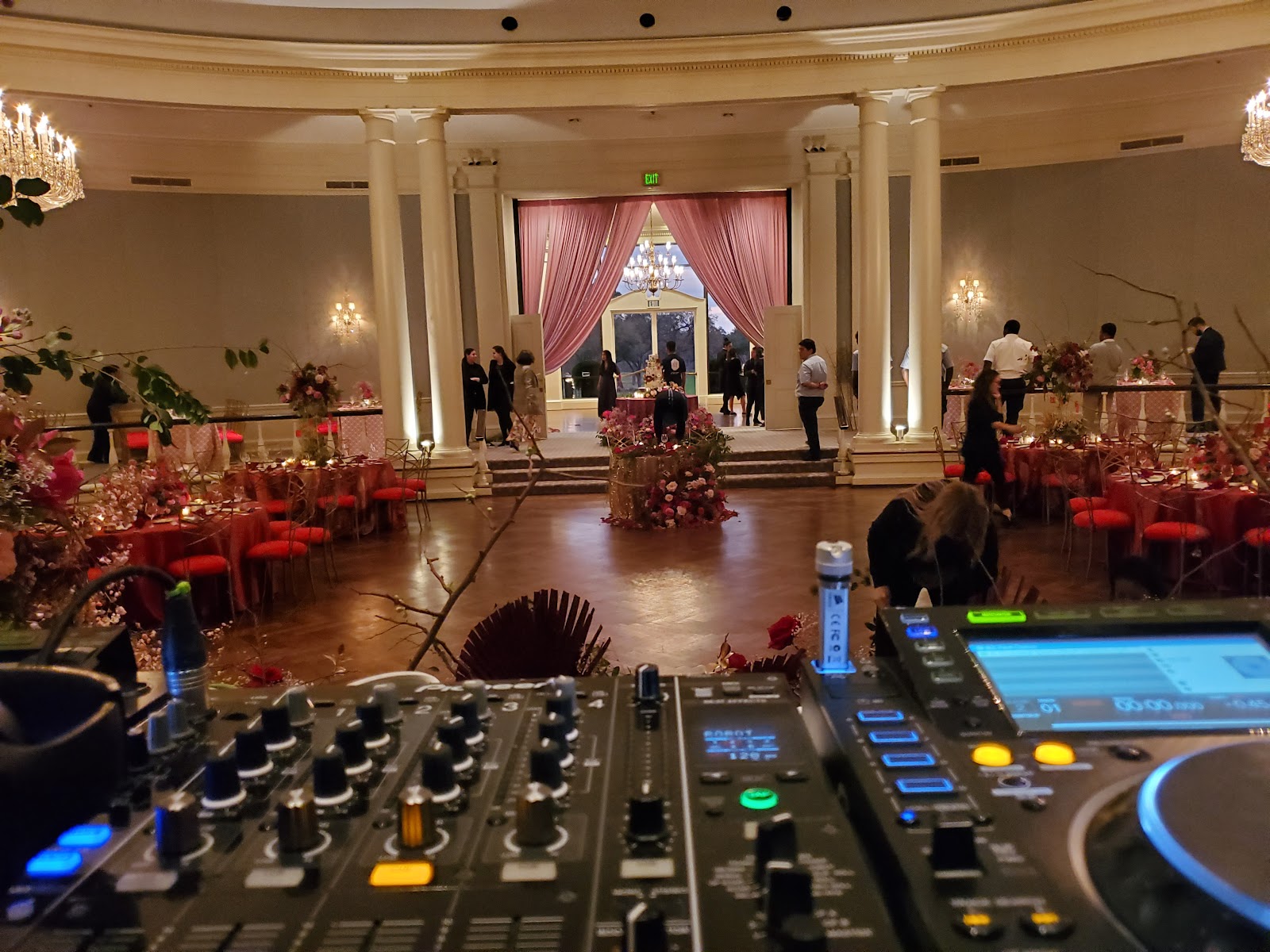
The Houston Country Club
Tucked into the wooded Tanglewood neighborhood of west Houston, The Houston Country Club is one of the city's most private addresses. Robert Trent Jones Sr. laid out the present course in 1957 and Coore and Crenshaw later refined it, a par 71 of about 7,009 yards under towering pines and oaks.
Photo: Anthony RD via Google.
The verdict
The Houston Country Club is among the oldest and most exclusive private clubs in Texas, founded in 1908 and settled at its current Tanglewood site in 1957. Robert Trent Jones Sr. designed the course that members play today, a classic parkland routed through mature pines, oaks and gentle bayou land in the heart of west Houston. It plays as a par 71 of about 7,009 yards, a refined and strategic test rather than a brute, where position off the tee and control on the greens matter more than raw length.
Over the decades the layout has been polished by some of the best hands in the game. Bill Coore and Ben Crenshaw, the partnership behind Sand Hills and Streamsong, reworked the greens and bunkering to sharpen the original design, and the club remains a quiet, members first sanctuary far removed from the resort circuit. For a traveling golfer it is a hard ticket, reached through a member, and a study in understated old line Houston golf, a private counterpoint to the public revival just across town at Memorial Park.
The Houston Country Club at a glance
- Opened
- 1957
- Designer
- Robert Trent Jones Sr.
- Type
- Parkland
- Par
- 71
- Yardage
- About 7,009 yds
- Green fee
- Members and guests
Designer, opening year, par and length verified June 2026 from the club and leading course databases. Robert Trent Jones Sr. laid out the current course in 1957, later refined by Bill Coore and Ben Crenshaw; it plays as a par 71 of about 7,009 yards in Houston, Texas. It is a private club; access is generally only through a member, so always confirm directly before booking.
The holes worth the trip
The Houston Country Club rewards the thinking player. Jones routed the holes through corridors of tall pines and water hazards fed by the bayou, so the premium is on shaping tee shots and finding the correct side of fairways that bend around trees and sand. The greens, reworked by Coore and Crenshaw, are firm and subtly contoured, and a misjudged approach leaves the kind of slippery recovery that defines scoring here.
Water comes into play on several of the closing holes, and the par 3s ask for precise mid irons to well guarded targets rather than heroics. Because the course is shorter than the modern championship norm, the defense is angle, firmness and the tree lines that frame nearly every shot; a player who drives it crooked spends the day chipping out sideways.
What stays with visitors is the maturity of the place. Century old trees, a stately clubhouse and a membership that values privacy give the round a timeless, unhurried feel. It is parkland golf of the old school, manicured and demanding in the quietest possible way.
How to get on
| What to know | Detail |
|---|---|
| Access | Private members club; not generally open to public play, with access usually only through a member |
| Green fee | No published public fee; any guest play is hosted by a member (indicative, 2026) |
| Booking | An introduction through a member, arranged well in advance, is essential |
| On the day | Caddies and carts available; a collared shirt and a traditional dress code expected |
| Getting there | Tanglewood, west Houston, about 20 minutes from downtown and close to both Houston airports |
| Best months | March through May and October through November, when the heat and humidity ease |
Access arrangements verified June 2026; The Houston Country Club is a private club and policies change, so always confirm directly before planning a visit with the club or your trip planner.
Where to stay nearby
The Galleria and Uptown districts sit minutes from the club, with the city's best hotels, shopping and dining, while downtown Houston is a short drive for those who prefer a central base. Both Houston airports, Hobby and George Bush Intercontinental, are within easy reach.
The Houston Country Club pairs naturally with a wider Texas golf trip, from the championship privates of Houston to the parkland and links of Dallas and the Hill Country around Austin. We can arrange the introductions where possible and build the lodging and transfers around your rounds.
Looking for a base? See our recommended hotels and resorts around Houston.
Build a Texas golf trip
We help arrange access where we can, plan the visit to The Houston Country Club and book the lodging and transfers around your round. Tell us roughly when and who is travelling and one concierge costs it to the head, with no obligation.
The Houston Country Club questions
Who designed The Houston Country Club?
The current Houston Country Club course was designed by Robert Trent Jones Sr. and opened in 1957 at the club's Tanglewood site, with later refinements to the greens and bunkering by Bill Coore and Ben Crenshaw.
What is the par and length of The Houston Country Club?
The Houston Country Club plays as a par 71 of about 7,009 yards, a classic parkland routed through mature pines and oaks in west Houston.
Can visitors play The Houston Country Club?
The Houston Country Club is a private members club and is not generally open to public play. Access is usually only through a member, so arranging a visit well in advance is essential.
When is the best time to play The Houston Country Club?
Spring, from March through May, and autumn, from October through November, offer the most comfortable conditions before and after the Houston heat and humidity.
Related
The Tee Sheet
Tee time windows, course access changes and the trips worth taking. Every other week.
Researched and written by the GolfForKings editorial desk. Designer, opening year, par and yardage verified June 2026; the Coore and Crenshaw refinement verified June 2026. Last reviewed June 2026.