Lahinch Old
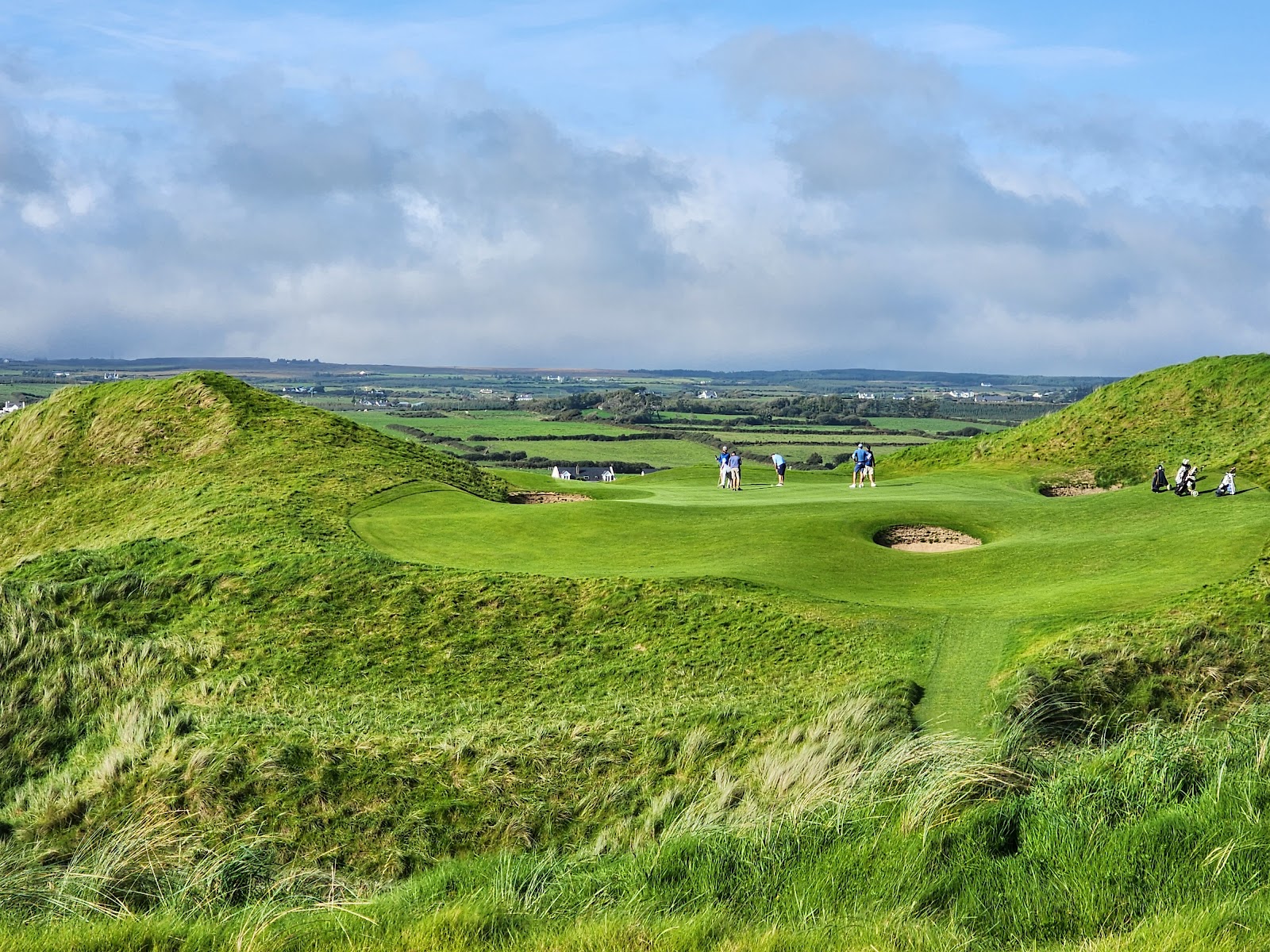
They call it the St Andrews of Ireland, and for once the billing fits. Lahinch's Old Course is a tumbling County Clare links shaped by Old Tom Morris and reimagined by Alister MacKenzie, a par 72 of roughly 6,950 yards above Liscannor Bay, home to the blind Klondyke and Dell holes that golfers travel the world to play.
Photo: Lahinch Golf Club via Google, by Phil Lalonde.
The verdict
Lahinch is one of the great links of the world and the beating heart of golf in the west of Ireland. Founded in 1892, the course was first laid out by Old Tom Morris, who declared the ground the finest natural links he had ever seen, then transformed in 1927 by Alister MacKenzie, the architect of Augusta and Cypress Point, who routed the holes through the towering dunes that make the place so thrilling. A late 1990s restoration by Martin Hawtree returned MacKenzie's character without touching the famous quirks.
The result is a par 72 of around 6,950 yards that is by turns charming, fierce and unforgettable. It is a course of huge dunes and blind shots, of sea wind and wild beauty, where goats once forecast the weather and where the town and the links are woven together into one of golf's most joyous destinations. You do not simply play Lahinch, you fall for it.
Lahinch at a glance
- Founded
- 1892
- Design
- Morris · MacKenzie
- Type
- Links
- Par
- 72
- Yardage
- ~6,950 yds
- Green fee
- Visitor rate
Founding year, design history, par and yardage verified June 2026 from Lahinch Golf Club and leading course databases. Founded 1892, laid out by Old Tom Morris and reimagined by Alister MacKenzie in 1927, the Old Course is a par 72 of roughly 6,950 yards. Lahinch welcomes visitors; green fees vary by season and day (indicative, 2026), so always confirm the current rate directly before booking.
Plan your round
The holes worth the trip
No two holes define Lahinch like the Klondyke and the Dell. The Klondyke is the short par 5 fourth, where the second shot is played blind straight over a vast dune, a heroic carry into the unknown that has thrilled and bewildered golfers since 1897. It is golf at its most primitive and most fun, and modern architecture would never dare to build it, which is precisely why everyone loves it.
The Dell, the par 3 fifth, is even more singular: a wholly blind one shotter to a green tucked in a hollow between two dunes, with a white stone on the front dune repositioned each morning to show the day's pin. You aim at the rock, trust the line and walk over the hill to learn your fate. There is nothing else quite like it in championship golf.
Beyond the famous pair, MacKenzie's routing gives Lahinch its real greatness: bold, rumpled fairways, greens that ride the natural land, and a back nine that climbs into the biggest dunes with the Atlantic always close. When the wind comes off the bay, as it usually does, the course bares its teeth, and a steady round here is one to treasure.
How to get on
| What to know | Detail |
|---|---|
| Access | A welcoming members club that takes visitors throughout the season; the Old Course is in high demand, so advance booking is essential, especially in summer |
| Green fee | Indicative visitor green fees in the region of 200 to 290 euros in high season depending on date (2026); always confirm directly before booking |
| Booking | Reserve well ahead through the Lahinch office; combine with the Castle Course on site for a full day of golf |
| On the day | Smart golf dress; the links is a true walking course over big dune terrain, caddies are available and well worth taking for the lines |
| Getting there | In the village of Lahinch in County Clare on the west coast, close to the Cliffs of Moher and around an hour and a half from Shannon Airport |
| Best months | May through September for the firmest links conditions and the long western evenings |
Access and fee details verified June 2026; rates change by season and day, so always confirm directly with the club or your trip planner before booking.
Where to stay nearby
The village of Lahinch puts you right beside the first tee, with hotels, guesthouses and lively pubs a short walk from the links, while nearby Ennistymon and Doolin add charm and music to the evenings.
Lahinch is the natural anchor for a west of Ireland golf tour, pairing beautifully with the great links of Clare and the wider region for an unforgettable few days along the Wild Atlantic Way.
Looking for a base? See our recommended hotels and resorts near Lahinch.
Build a west of Ireland golf trip
We arrange tee times at Lahinch and across the great links of Clare and the west, pair them with the best lodging and handle the logistics. Tell us roughly when and who is travelling and one concierge costs it to the head, with no obligation.
Lahinch questions
Who designed the Old Course at Lahinch?
Lahinch Golf Club was founded in 1892, with the links laid out by Old Tom Morris in 1894 and famously reimagined by Alister MacKenzie in 1927. Martin Hawtree carried out a sympathetic restoration in the late 1990s, preserving MacKenzie's character and the original Klondyke and Dell holes.
What is the par and length of Lahinch Old Course?
The Old Course at Lahinch plays as a par 72 of roughly 6,950 yards over classic County Clare links land beside the Atlantic at Liscannor Bay.
What are the Klondyke and Dell holes at Lahinch?
The Klondyke is a short par 5 with a blind second shot played over a towering dune, and the Dell is a blind par 3 to a green hidden in a hollow between two dunes, marked by a white stone moved each day. Both are among the most famous quirks in links golf and were left untouched in the modern restoration.
Can visitors play Lahinch Golf Club?
Yes. Lahinch welcomes visiting golfers, with tee times in high demand through the summer. Book well in advance through the club and confirm the current green fee before you travel.
Related
The Tee Sheet
Tee time windows, course access changes and the trips worth taking. Every other week.
Researched and written by the GolfForKings editorial desk. Founding year, design history, par and yardage verified June 2026; indicative green fees verified June 2026. Last reviewed June 2026.