Royal Blackheath
Royal Blackheath is golf's living history, a club whose roots reach back to 1608 and the courtiers of Greenwich Palace, making it one of the oldest in the world. Its present parkland course at Eltham, shaped by James Braid around a magnificent 17th century clubhouse, is a par 71 of roughly 6,280 yards where heritage and a genuine test of golf sit side by side.
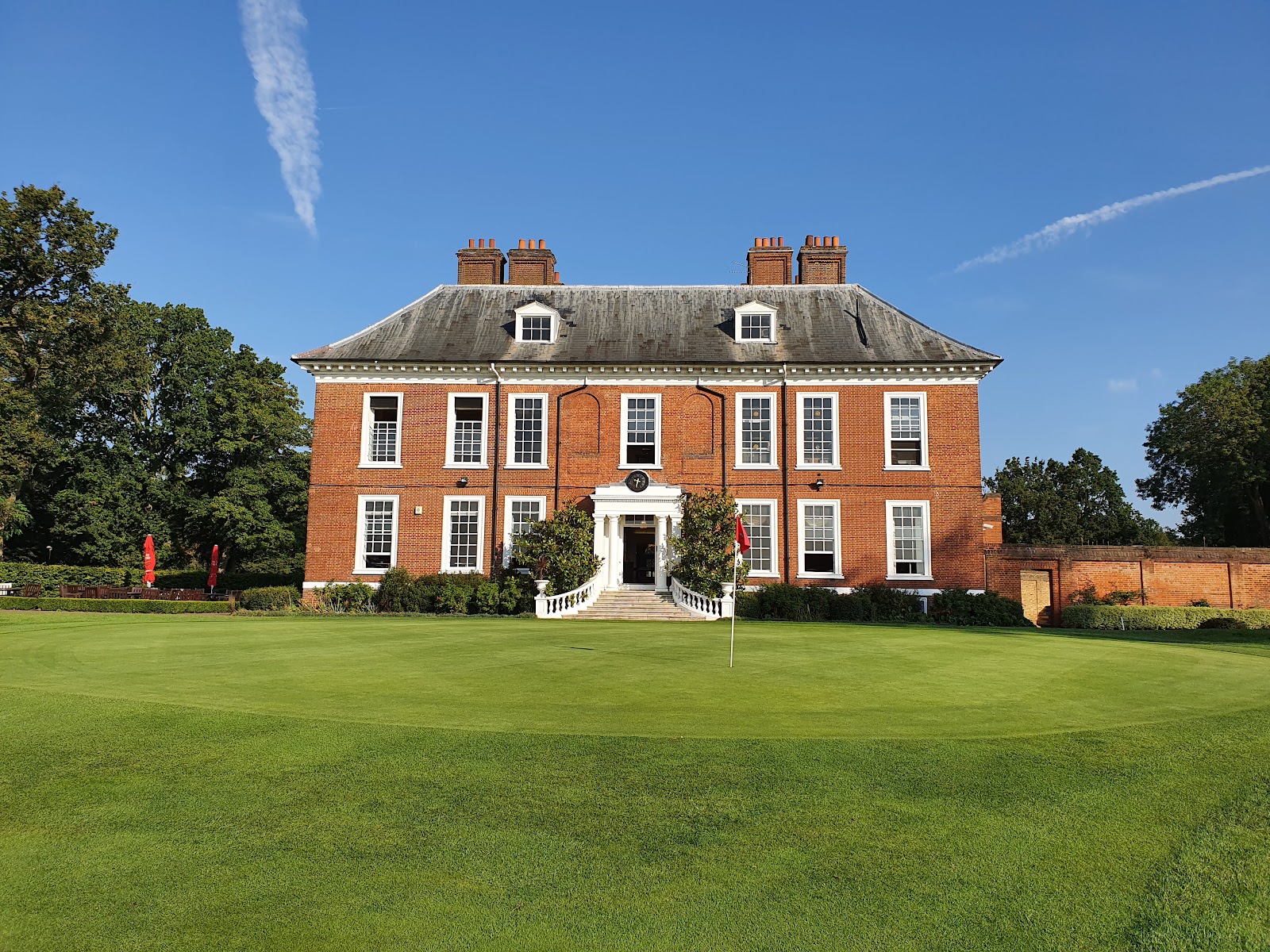
Photo: Royal Blackheath Golf Club via Google, by Simon Belt.
The verdict
No club in England carries history quite like Royal Blackheath. Golf is recorded on Blackheath as early as 1608, when courtiers who had followed James I south from Scotland to nearby Greenwich Palace brought their clubs with them, and that thread of play makes Blackheath one of the oldest golfing institutions in the world. For any golfer with a sense of the game's past, a round here is a pilgrimage.
The club moved to its present home at Eltham in 1923, amalgamating with the Eltham club and taking over a course first laid out in the early 1890s by Tom Dunn and Ramsay Hunter. James Braid, the five time Open champion, later reworked it into much the form played today, a par 71 parkland of around 6,280 yards. The setting is unforgettable: the magnificent Eltham Lodge, a Restoration era mansion completed in the 1660s, serves as the clubhouse, its rooms full of the trophies, paintings and relics of four centuries of golf.
Royal Blackheath at a glance
- Golf since
- 1608
- Design
- James Braid
- Type
- Parkland
- Par
- 71
- Yardage
- ~6,280 yds
- Green fee
- Visitor rate
Heritage, design history and par verified June 2026 from Royal Blackheath Golf Club and leading golf history sources. Golf is recorded at Blackheath from 1608; the present Eltham course, first laid out in the 1890s by Tom Dunn and Ramsay Hunter and reworked by James Braid, is a par 71 of roughly 6,280 yards. Royal Blackheath welcomes visiting golfers; green fees vary by season and day (indicative, 2026), so always confirm the current rate directly before booking.
The holes worth the trip
The Eltham course is a mature parkland laid out across the old estate grounds, with the clubhouse standing proudly among the holes so that the sense of place is constant. James Braid's hand shows in the natural routing and the careful bunkering, which asks the player to think about position off the tee rather than simply reaching for the driver.
Fine old trees frame and squeeze the fairways, gathering the loose shot and rewarding the player who finds the proper angle into the green. The putting surfaces are well defended by Braid's bunkers, so accurate iron play matters, and at a shade under 6,300 yards the course is about precision and shot making rather than raw length, a refreshing change of pace from the modern bomb and gouge.
What stays with most visitors, though, is the atmosphere. To finish a round and walk into Eltham Lodge for lunch, surrounded by centuries of golfing artifacts, is an experience no newer club can offer. Royal Blackheath is a course to savor for its history as much as its golf, and the two are inseparable.
How to get on
| What to know | Detail |
|---|---|
| Access | Members' club that welcomes visiting golfers and societies on selected days outside member competitions; advance booking through the club is essential |
| Green fee | Indicative visitor green fees in the region of 70 to 120 pounds depending on season and day (2026), often with a clubhouse lunch package; always confirm directly before booking |
| Booking | Reserve ahead through the Royal Blackheath office; the historic clubhouse lunch is part of the experience and worth building in |
| On the day | Smart golf dress on course; a jacket may be expected in parts of the clubhouse; trolleys and buggies available; allow time to see the artifacts |
| Getting there | Eltham in the Royal Borough of Greenwich, southeast London, easily reached from central London and close to the A2 and A20 |
| Best months | The parkland plays well from spring through autumn; firm summer conditions show the course at its best |
Access and fee details verified June 2026; rates change by season and day, so always confirm directly with the club or your trip planner before booking.
Where to stay nearby
Royal Blackheath sits in southeast London, so most visitors stay in central London or nearby Greenwich, a short journey away and rich in history of its own with the Royal Observatory and the Cutty Sark.
The club pairs naturally with the other historic courses around the capital, so a golfing trip to London can combine Blackheath's heritage with the heathland of Royal Wimbledon and the parkland gems of the southwest.
Looking for a base? See our recommended hotels and resorts near Royal Blackheath.
Build a London golf trip
We arrange tee times at Royal Blackheath and across the historic clubs of London, build in the famous Eltham Lodge lunch and book the lodging around your golf. Tell us roughly when and who is travelling and one concierge costs it to the head, with no obligation.
Royal Blackheath questions
How old is Royal Blackheath Golf Club?
Royal Blackheath traces its golfing history to 1608, when courtiers at Greenwich Palace are recorded playing on the heath, which makes it one of the oldest golf clubs in the world. The club moved to its present home at Eltham in 1923.
Who designed the Royal Blackheath course at Eltham?
The Eltham course was first laid out in the early 1890s by Tom Dunn and Ramsay Hunter, then significantly reworked by five time Open champion James Braid, whose design largely shapes the parkland course played today.
What is the par and length of Royal Blackheath?
Royal Blackheath is a par 71 parkland course of roughly 6,280 yards, set in mature grounds around the 17th century Eltham Lodge clubhouse.
Can visitors play Royal Blackheath Golf Club?
Yes. Royal Blackheath welcomes visiting golfers and societies on selected days, with advance booking through the club. Confirm access and the current green fee before you travel.
Related
The Tee Sheet
Tee time windows, course access changes and the trips worth taking. Every other week.
Researched and written by the GolfForKings editorial desk. Heritage, design history and par verified June 2026; indicative green fees verified June 2026. Last reviewed June 2026.