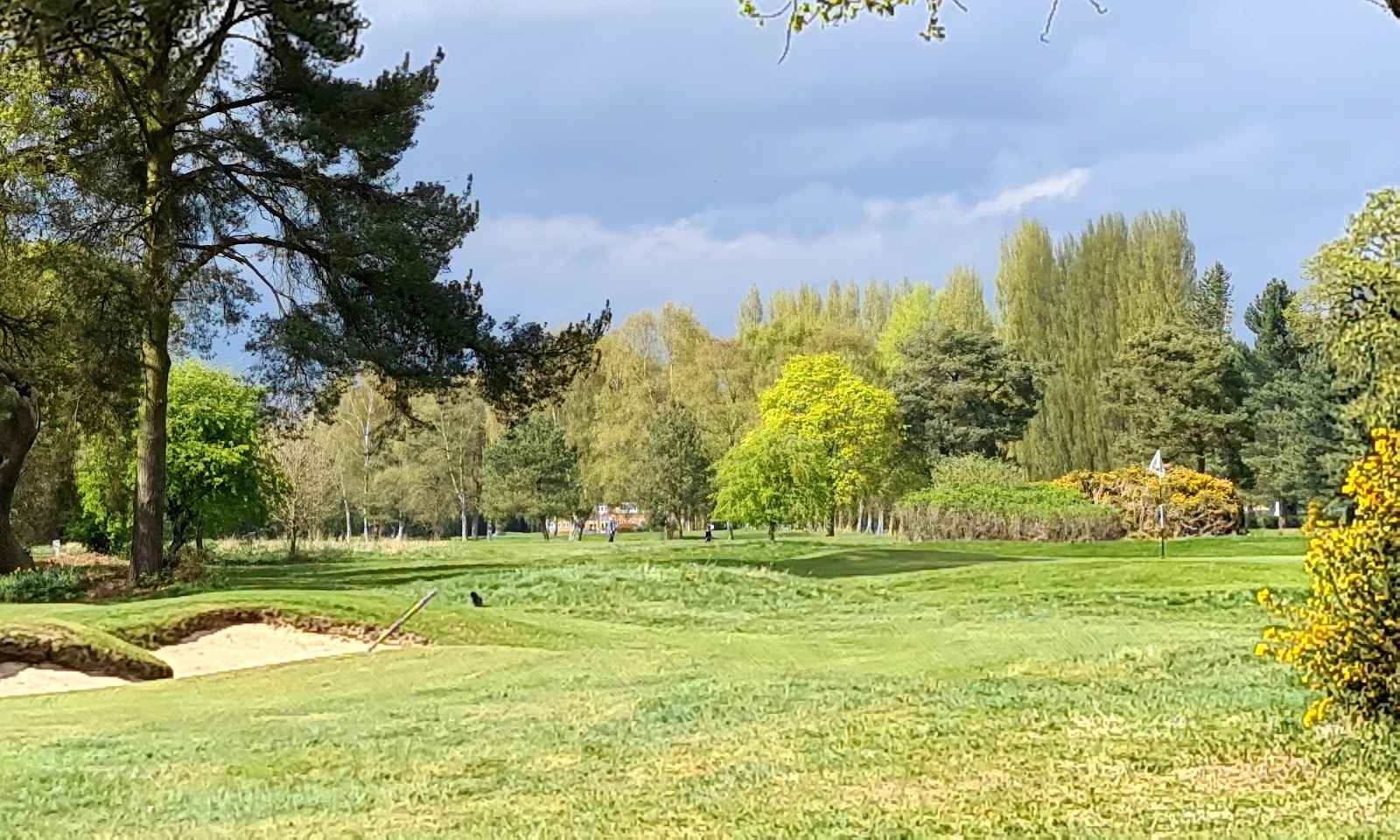
Fulford
Fulford is one of the north's great championship courses, a Charles MacKenzie design on the edge of York that for two decades hosted the European Tour and the Benson and Hedges International. A par 72 of roughly 6,900 yards over heathland and parkland turf, it is celebrated for superb greens and for the ash tree on the 17th where Bernhard Langer played one of golf's most famous shots.
Photo: Fulford Golf Club via Google, by John.
The verdict
Few inland courses in the north of England can match Fulford's tournament pedigree. From 1971 to 1989 it staged the Benson and Hedges International, drawing the best of the European Tour to York, and the list of winners and the quality of golf they produced cemented its reputation as a genuine championship test with some of the finest greens in the country.
The club was founded in 1906 and the present course is the work of Major Charles MacKenzie, brother of the famous Alister MacKenzie, with the site approved by James Braid. Laid out on a blend of heathland and parkland ground south of the city, it runs to a par 72 of around 6,900 yards. It is best known to the wider public for a single moment: Bernhard Langer climbing the ash tree beside the 17th green in 1981 to play his ball from the branches, an image that has lived in golfing folklore ever since.
Fulford at a glance
- Founded
- 1906
- Design
- C. MacKenzie
- Type
- Heathland
- Par
- 72
- Yardage
- ~6,900 yds
- Green fee
- Visitor rate
Founding year, design history and par verified June 2026 from Fulford Golf Club and leading course databases. Founded 1906 to a Charles MacKenzie design, Fulford is a par 72 of roughly 6,900 yards and a former European Tour venue. Fulford welcomes visiting golfers; green fees vary by season and day (indicative, 2026), so always confirm the current rate directly before booking.
The holes worth the trip
Fulford's greatest asset is its putting surfaces. Smooth, true and quick, they have long been rated among the best in the north, and they were a big reason the tour professionals enjoyed the course so much. Holding them on the approach and reading their subtle borrows is where rounds are won and lost, so iron play and a confident putter matter more than sheer length.
The layout itself runs over gently moving ground, with avenues of trees, patches of heath and well placed bunkering shaping the strategy off the tee. It is a fair examination rather than a tricked up one, and that fairness is exactly what made it a fine championship venue: the player who drives well and controls the ball into the greens is rewarded, while the loose shot is quietly punished.
And then there is the 17th, a short, drivable par 4 with trouble down the left and the famous ash tree by the green, forever linked to Langer's escape from the branches. It is a hole that tempts the bold and ruins the careless, a perfect note of drama late in the round and a fitting signature for a course that has seen so much great golf.
How to get on
| What to know | Detail |
|---|---|
| Access | Members' club that welcomes visiting golfers and societies on selected days outside member competitions; advance booking through the club is essential |
| Green fee | Indicative visitor green fees in the region of 60 to 100 pounds depending on season and day (2026); always confirm directly before booking |
| Booking | Reserve ahead through the Fulford office; midweek tee times are easiest and society packages are available |
| On the day | Smart golf dress on course and in the clubhouse; trolleys and buggies available; the walk is gentle over moving parkland |
| Getting there | At Fulford on the southern edge of York in North Yorkshire, close to the A19 and A64 and an easy reach of the city center and the A1 corridor |
| Best months | The course is at its best from late spring through autumn when the greens run firm and fast |
Access and fee details verified June 2026; rates change by season and day, so always confirm directly with the club or your trip planner before booking.
Where to stay nearby
York itself is the obvious base, one of England's most beautiful historic cities just minutes from the course, with hotels for every taste, superb food and the Minster and old walls to explore between rounds.
Fulford pairs naturally with the wider golf of Yorkshire and the northeast, so a trip built around it can take in classic inland courses and an easy run to the great links of the coast for a varied few days.
Looking for a base? See our recommended hotels and resorts near Fulford.
Build a Yorkshire golf trip
We arrange tee times at Fulford and across the best of Yorkshire and the northeast, pair them with the great courses of the coast and book the lodging around them. Tell us roughly when and who is travelling and one concierge costs it to the head, with no obligation.
Fulford questions
When was Fulford Golf Club founded and who designed it?
Fulford Golf Club was founded in 1906 and the present course was designed by Major Charles MacKenzie, brother of the celebrated architect Alister MacKenzie. The course opened in the 1930s and was approved by five time Open champion James Braid.
What is the par and length of Fulford?
Fulford is a par 72 stretching to roughly 6,900 yards, a blend of heathland and parkland on the southern edge of York known for its outstanding, fast running greens.
What is the story of Langer's tree shot at Fulford?
During the 1981 Benson and Hedges International at Fulford, Bernhard Langer famously climbed an ash tree beside the 17th green to play his ball from the branches, a moment that became part of golfing folklore.
Can visitors play Fulford Golf Club?
Yes. Fulford welcomes visiting golfers and societies on selected days; book in advance through the club and confirm the current green fee before you travel.
Related
The Tee Sheet
Tee time windows, course access changes and the trips worth taking. Every other week.
Researched and written by the GolfForKings editorial desk. Founding year, design history and par verified June 2026; indicative green fees verified June 2026. Last reviewed June 2026.