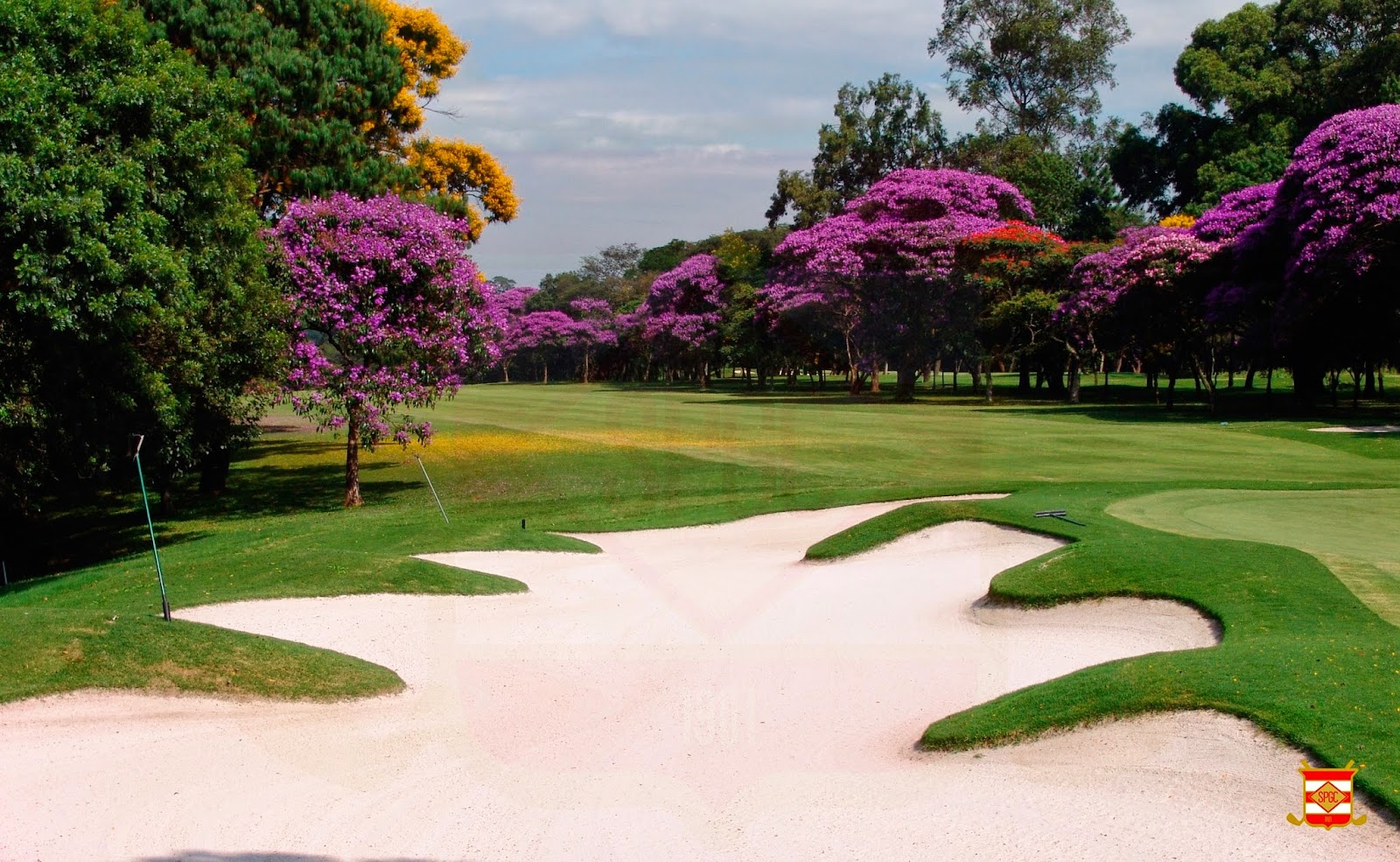
Sao Paulo Golf Club
Sao Paulo Golf Club is one of the oldest and most respected golf clubs in Brazil, a mature Stanley Thompson parkland tucked into the Santo Amaro district of the country's largest city. With roots to 1901 and a quiet, tree lined elegance, it is the historic heart of golf in southeastern Brazil.
Photo: Sao Paulo Golf Club via Google.
The verdict
Golf in Sao Paulo began with Scottish and English engineers of the Sao Paulo Railway at the close of the 19th century, and the club traces its origins to 1901. After a couple of early moves the course settled in Santo Amaro, where the great Canadian architect Stanley Thompson worked on its design and update through the 1930s, giving it the strategic shaping and classical feel that define it today. Later hands, including Robert Trent Jones Jr and Ian Andrew, have refined it since.
The result is a par 71 of about 6,574 yards, a course whose value lies in pedigree and condition rather than raw length. Mature trees line tight corridors, the greens are subtle and well guarded, and the whole place carries the calm authority of a club that has been doing this for more than a century. It is private, so a game generally comes through a member or a specialist, but for the visiting golfer it is the historic anchor of any Sao Paulo trip.
Sao Paulo Golf Club at a glance
- Origins
- 1901
- Designer
- Stanley Thompson (1930s)
- Type
- Classic parkland, 18 holes
- Par
- 71
- Yardage
- About 6,574 yds
- Access
- Private members club
Origins, design history, par and yardage verified June 2026 against the Stanley Thompson Society and leading databases. The club traces to 1901; Stanley Thompson shaped the course in the 1930s, with later refinements by Robert Trent Jones Jr, Ian Andrew and others, and it plays to a par 71 of about 6,574 yards. It is a private members club with no published public green fee, so any guest rate is arranged through the club and is indicative; always confirm access directly before planning a visit.
The holes worth the trip
Thompson's hand shows in the way the holes use the land and the trees rather than length to defend par. Fairways are framed by mature timber, leaving tight driving lines that ask for a positioned tee shot to open the best angle in. Stray from the short grass and the trees, not the rough, are the hazard that decides the hole.
The greens are the course's quiet strength, gently contoured and firm, rewarding the approach flighted in from the correct side and punishing the lazy one with a tricky two putt. It is a course that flatters good iron play and clear thinking far more than it flatters power.
What stays with most visitors is the atmosphere: a century old parkland of real character set improbably inside one of the world's largest cities, calm and green behind its gates. For the traveling golfer it is a chance to play a piece of South American golf history in fine condition.
How to get on
| What to know | Detail |
|---|---|
| Access | Private members club; visitor play is limited and generally by introduction through a member or a recognized club |
| Green fee | No published public green fee; any guest rate is arranged through the club and is indicative for 2026, confirm directly before any visit |
| Booking | Arrange well in advance through a member, your home club or a specialist; weekends are reserved for members |
| On the day | The dress and etiquette of a traditional members club apply; caddies are available and part of the tradition |
| Getting there | Santo Amaro in the south of Sao Paulo, around 30 to 45 minutes from the city center depending on traffic |
| Best months | April to September, the cooler and drier season, is the most comfortable for golf |
Access verified June 2026; Sao Paulo Golf Club is private and its policies change, so always confirm arrangements directly with the club or your trip planner before planning a visit. Check tee time availability.
Where to stay nearby
Visitors usually stay in the business and dining districts of central and western Sao Paulo, such as the areas around Avenida Paulista, Jardins and Vila Olimpia, all within reach of Santo Amaro and full of the restaurants for which the city is famous. A central base keeps the club and the city's culture close at hand.
For a golf focused trip the club pairs naturally with Gavea in Rio de Janeiro, a short flight away, combining the historic city course with one of the most dramatic settings in South American golf. Together they make a strong two center Brazilian itinerary.
Looking for a base? See our recommended hotels and resorts in central Sao Paulo near Santo Amaro.
Plan a Sao Paulo golf trip
Where access allows we arrange the introductions, pair Sao Paulo Golf Club with the best of Brazilian golf and book the city lodging around it. Tell us roughly when and who is traveling and one concierge costs it to the head, with no obligation.
Sao Paulo Golf Club questions
How old is Sao Paulo Golf Club?
The club traces its origins to 1901, founded by Scottish and English engineers of the Sao Paulo Railway, which makes it one of the oldest golf clubs in Brazil. The course settled at Santo Amaro after a couple of early moves.
Who designed Sao Paulo Golf Club?
The Canadian architect Stanley Thompson shaped the course in the 1930s, working with Jose Maria Gonzalez. Later refinements have come from Robert Trent Jones Jr, Ian Andrew and others.
What is the par and length of Sao Paulo Golf Club?
The course plays to a par 71 of about 6,574 yards. Its defense is mature trees, tight corridors and subtle greens rather than length, rewarding accuracy and good iron play.
Can visitors play Sao Paulo Golf Club?
It is a private members club. Visitor play is limited and generally arranged by introduction through a member, a home club or a specialist, with weekends reserved for members, so confirm access well in advance.
Related
The Tee Sheet
Tee time windows, course access changes and the trips worth taking. Every other week.
Researched and written by the GolfForKings editorial desk. Origins, design history, par and yardage verified June 2026. The club is private; confirm access directly. Last reviewed June 2026.